How to Divide Houseplants
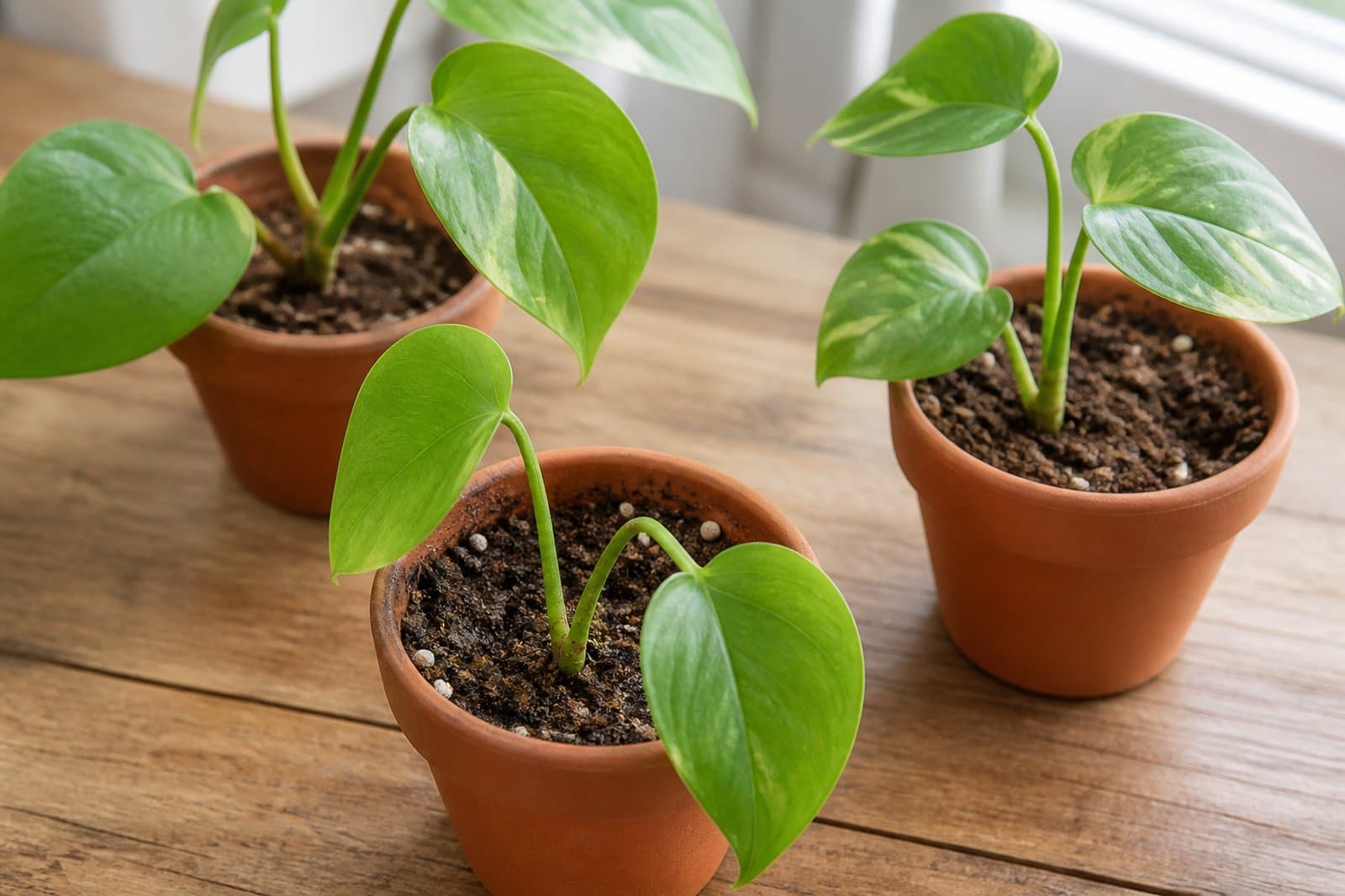
Divide a crowded houseplant by unpotting it, splitting the root ball into pieces with leaves and roots, and potting each piece in fresh mix.
Indoor plant propagation grows a new plant from a piece of one already on the shelf: a stem cutting, leaf section, runner or pup, divided clump, or an air layer still attached to the mother plant. Most houseplants are cloned this way rather than grown from seed.
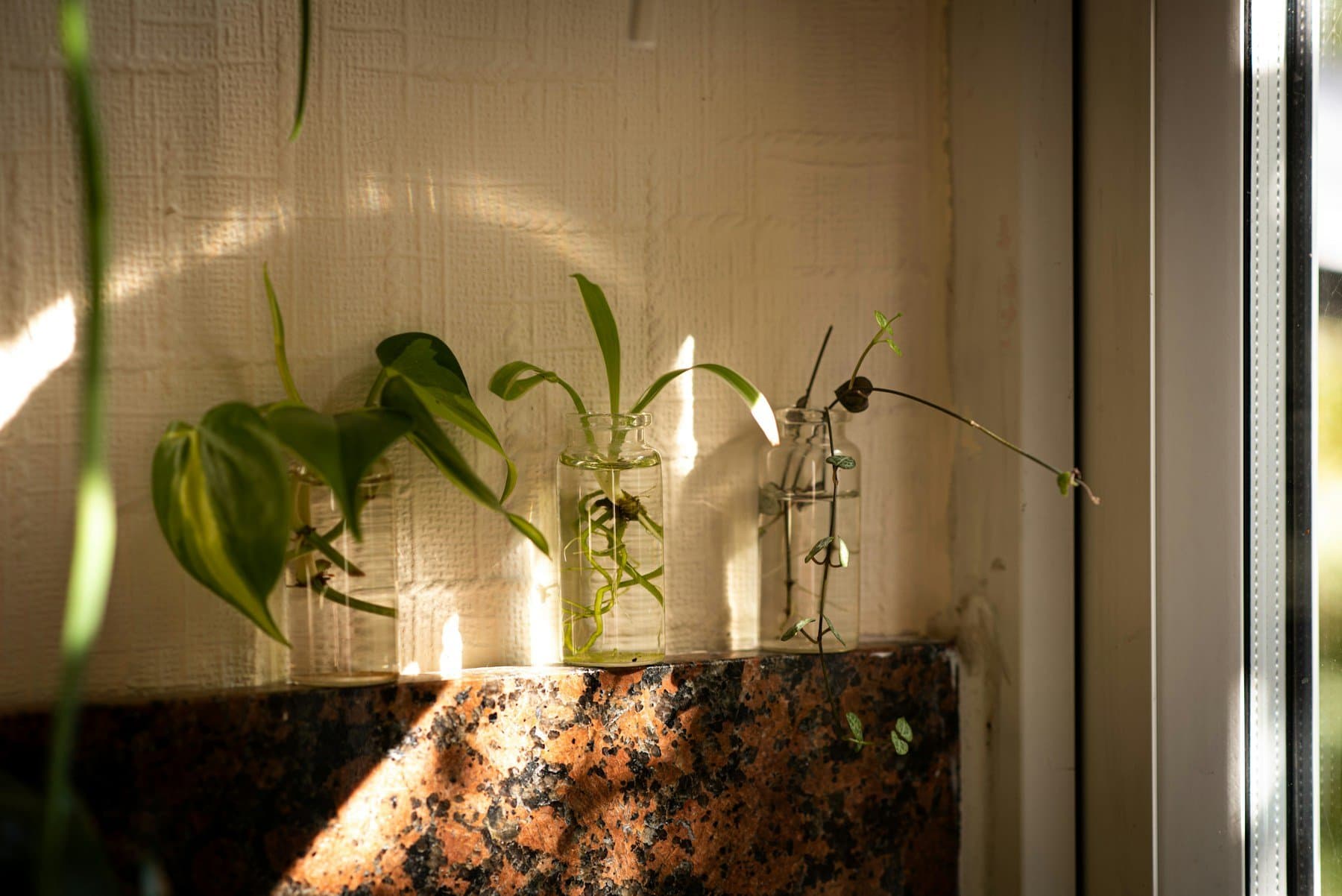
Illinois Extension: vegetative methods give a plant genetically identical to the parent; not every plant roots from every part, and a leaf that roots may never make a new stem. UNL G1853 and NCSU Wayne County name the same family of home methods: cuttings, division, runners, and air layering, with seed as a slower sexual path when the goal is not a true clone.
Start with water propagation, soil propagation, or air layering, then open a species guide for the plant on the shelf. Crowded clumps that already have leaves and roots go to how to divide houseplants. Jar, stick-in-mix, and moss-wrap recipes live in those method guides. Cutting lengths, node rules, and plant-specific warnings live in the species guides.
Open a method guide when the question is how the technique works: jar hygiene, stick-in-mix humidity, or when to sever an air layer.
Open a species guide when the plant on the shelf already decides the method: spiderettes for spider plant, leaf sections versus division for snake plant, rhizome division for ZZ, woody trunk rules for fiddle leaf fig. Method guides do not replace those plant-specific steps.
Beginners who only want one first win usually start with how to propagate pothos. A short indoor chooser for easy first plants lives on easiest plants to propagate.
| Method | Best fit | Skip when | Open |
|---|---|---|---|
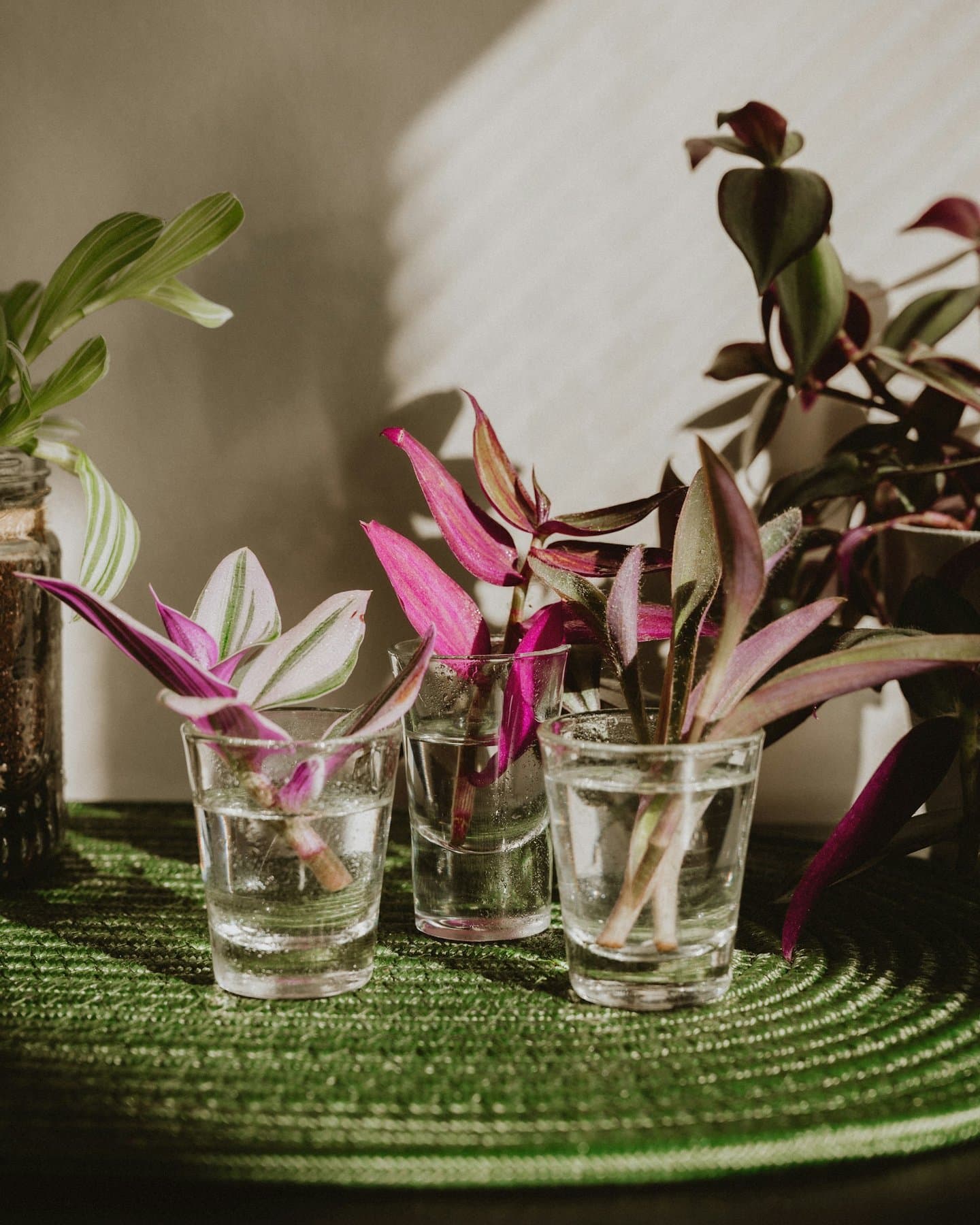
| Water | Soft node cuttings and plantlets when roots should stay visible; UMD and Clemson name pothos and heartleaf-style vines; Iowa State: many houseplants root in a jar | Woody stems that rot before rooting (Mobot flags many woody plants such as hibiscus and citrus); growers who want to skip transplant stress | Water propagation |
| Soil / mix | Same soft stems when the goal is fewer moves; UNL: cuttings can root in water, sand, perlite, or vermiculite, but perlite or vermiculite generally gives more satisfactory results; Illinois prefers media because water roots are often weak | Thick canes that fail as bare sticks; leaf-only pieces on plants that need a node or a bud | Soil propagation |
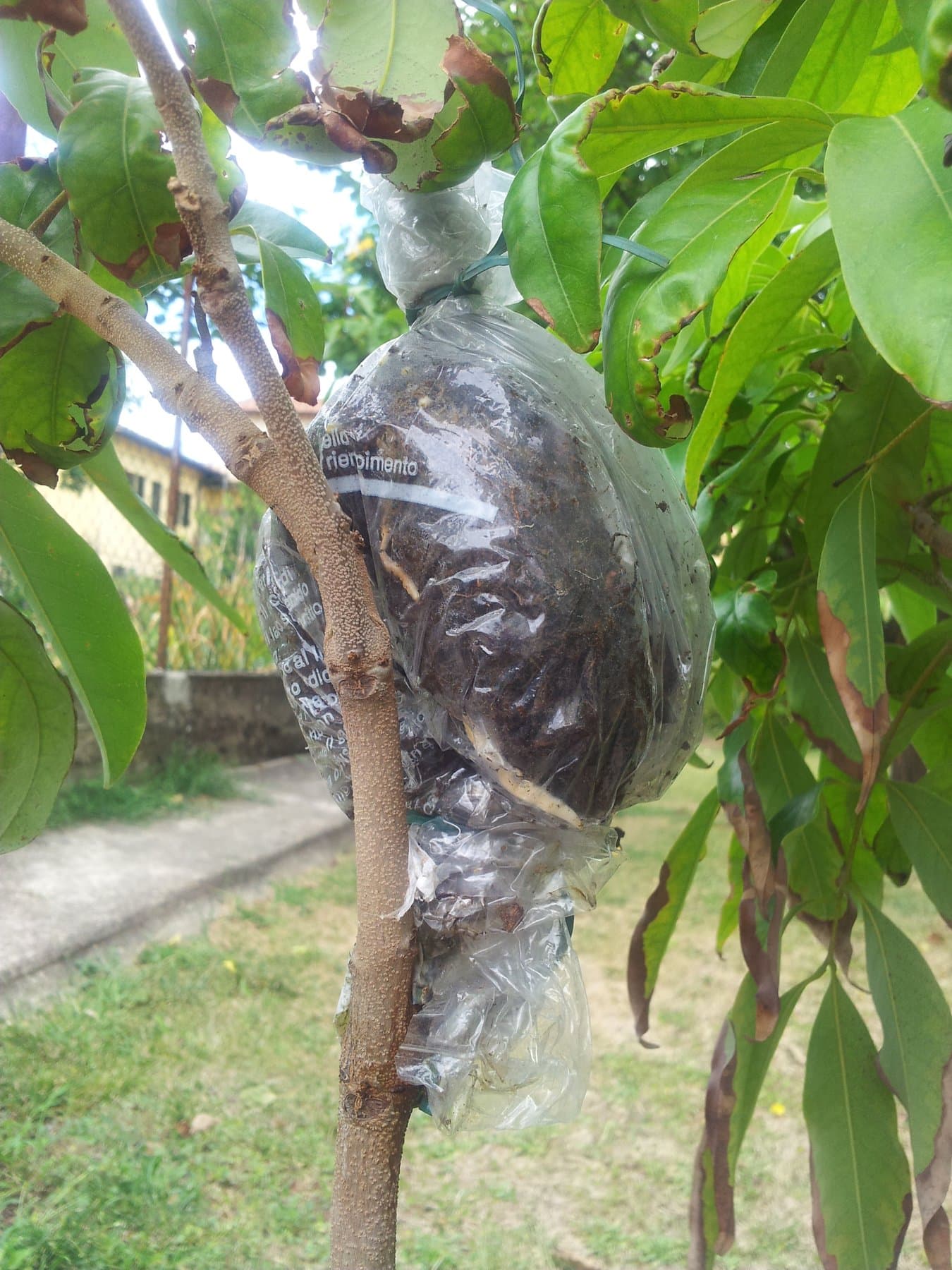
| Air layering | Thick or woody stems that still feed from the mother plant; UNL names rubber plant and related leggy canes; site method page links monstera and fiddle leaf fig | Soft tip cuttings that root easily in a jar or pot; plantlets already formed on runners | Air layering |
Iowa State stem-tip (January 2025 review): change jar water one to two times each week; transplant near about 1 inch of roots; water-formed roots are coarser and may show transplant stress. Same page for media: most houseplant stem cuttings form roots in 3 to 6 weeks; pot when roots are about 1 inch long or more. NCSU Wayne County: many cuttings root in a cup of water; pot as soon as some roots develop; for media, transplant when roots are at least an inch long. Illinois: ivy and philodendron root easily in water, yet that page does not recommend water because those roots adapt less easily to potting mix. Hormone is optional for most easy houseplants (Illinois; NCSU Wayne County: usually not necessary) and more useful on stubborn or woody stems (Iowa State; Illinois harder-to-root note).
Recipes, materials lists, and mistake lists live on the three method guides above. This table is only the chooser.
Divide a crowded houseplant by unpotting it, splitting the root ball into pieces with leaves and roots, and potting each piece in fresh mix.
Root indoor stem cuttings straight in moist, well-draining mix with at least one node in the media, then pot them up once roots reach about 1 inch.
Root indoor stem cuttings and spider plant plantlets in a jar of water. Change cloudy water, keep bright indirect light, then pot once roots form.
Root a thick indoor stem while it stays attached to the mother plant, then cut the rooted section free and pot it once adventitious roots fill the wrap.
Cuttings without roots cannot drink well. Light that is too dim slows root formation; cuttings may rot or dry before roots appear. Iowa State stem-tip: plants need 4 to 6 hours of bright indirect light; too much light can burn foliage, especially under bags or domes; air about 65°F to 75°F helps, with optional media warmth toward about 75°F to 80°F. UMD water guidance: bright light, not direct sun; about 70°F. UNL and NCSU Wayne County warn against cooking a plastic cover or jar in direct sun.
If a meter gives a PPFD reading, convert intensity and lamp hours with the propagation light DLI tool. Fixture distance and indoor setup notes live on best grow lights for indoor propagation when the window cannot hold that bright-indirect band.
Each guide carries the attributed lengths, weeks, and method choices for that plant.
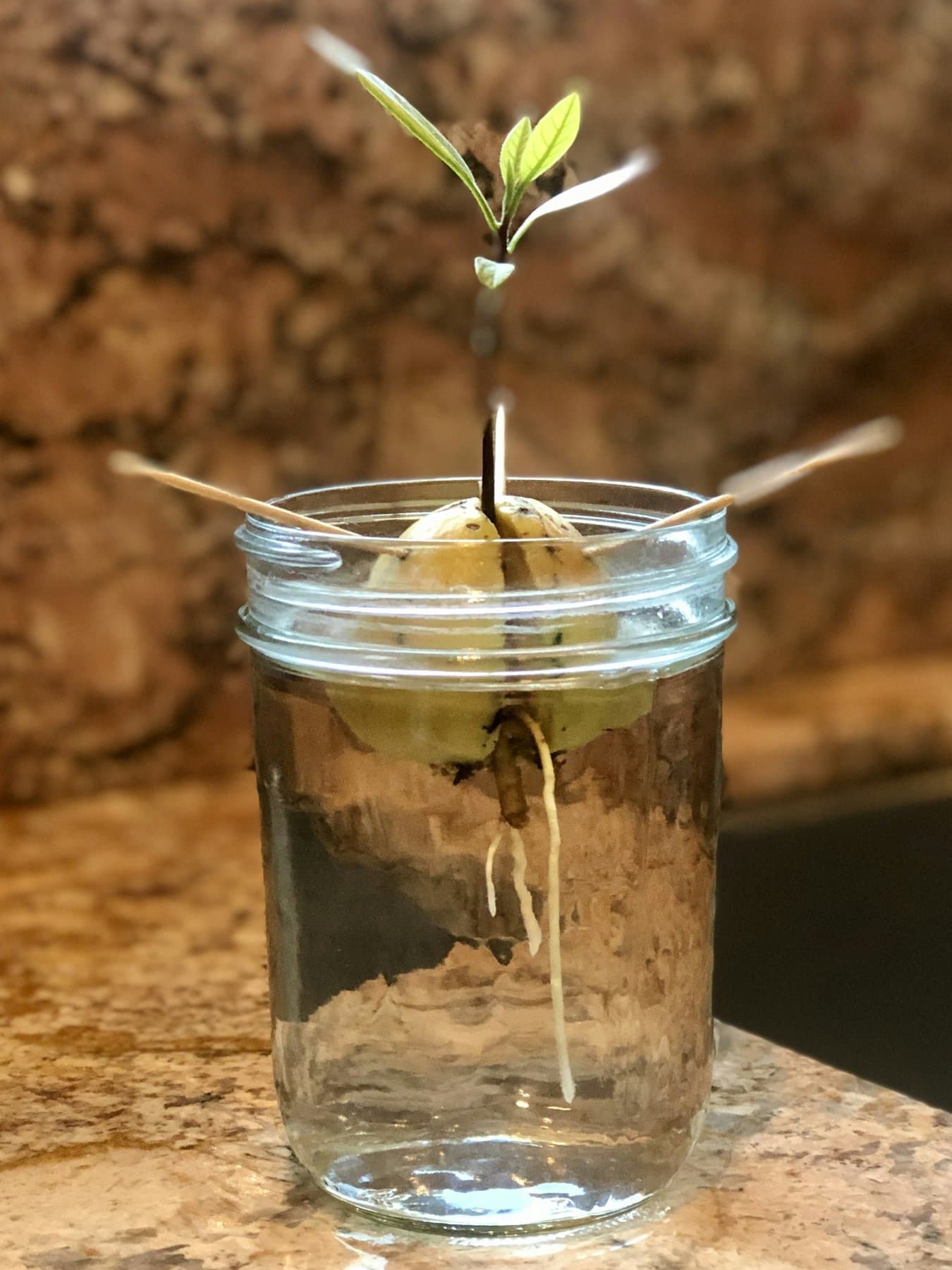
The rest of the species guides are listed below these starters. Kitchen-scrap avocado pits have their own seed guide and are not part of this indoor cutting set.
Propagate satin pothos (Scindapsus pictus), also called silk or silver pothos, from stem cuttings in moist mix or water. Not Epipremnum aureum.
Propagate cast iron plant (Aspidistra elatior), also called bar room plant, by rhizome division, then pot each piece in fresh mix in a drained pot.
Propagate areca palm (Dypsis lutescens), also called butterfly or golden cane palm, by dividing a clump or by seed. It is a true Arecaceae palm.
Propagate string of dolphins (Curio peregrinus) from stem cuttings or by layering trailing stems. A Curio trailer, not pearls, bananas, or hearts.
Propagate sago palm (Cycas revoluta) from seed or from suckers and offsets. Not a true palm. All parts are highly toxic, especially the seeds.
Propagate purple passion plant (Gynura aurantiaca) from stem or tip cuttings kept evenly moist, not saturated. It is a velvet plant, not passionflower.
Monstera adansonii, the Swiss cheese vine, roots from a stem cutting with at least one node or preexisting roots. Tip and leaf cuttings take bottom heat in summer, and stems can be layered in autumn.
Propagate mini monstera (Rhaphidophora tetrasperma) from stem cuttings with a node, in water or moist mix. Not Monstera deliciosa or adansonii.
Lipstick plant (Aeschynanthus radicans) roots from a three-node soft stem cutting in moist vermiculite and perlite, with roots in about two weeks. Softwood cuttings go in spring and semi-ripe cuttings in summer.
Propagate Haworthia and Haworthiopsis houseplant rosettes from offsets, leaf cuttings, or seed. Zebra-banded types are often sold as Haworthiopsis.
Propagate indoor cane yucca (Yucca gigantea, often labeled Yucca elephantipes) from stem cuttings or suckers to start new spineless houseplants.
Propagate string of turtles (Peperomia prostrata) from leaf or stem cuttings. A trailing peperomia, not string of pearls, hearts, or bananas.
Propagate goldfish plant (Nematanthus gregarius, often labeled Hypocyrta) from softwood stem-tip cuttings taken in spring for new trailing plants.
Propagate burro’s tail (Sedum morganianum) from stem or leaf cuttings. Let pieces callous first, then root them in a fast-draining succulent mix.
Root Swedish ivy (Plectranthus verticillatus) from stem cuttings in rooting media or water. Older labels say Plectranthus australis. It is not English ivy.
Propagate string of bananas (Curio radicans, formerly Senecio radicans) from stem cuttings or by layering trailing stems into moist potting mix.
Propagate indoor polka-dot plant (Hypoestes phyllostachya), also called freckle face, from stem cuttings or seed to grow new spotted plants.
Propagate parlor palm (Chamaedorea elegans) from seed, or by separating several plants that were potted together in one container for fullness.
Propagate indoor oxalis, or false shamrock (Oxalis triangularis), by dividing rhizomes or tubers and replanting each piece with a growth point.
Propagate indoor nerve plant (Fittonia albivenis), also called mosaic plant, from stem cuttings that include nodes, set in moist mix or water.
Propagate caladium (Caladium bicolor) by dividing the tuber or corm, or by detaching small tubers when growth starts. It is not Alocasia or Colocasia.
Propagate Boston fern (Nephrolepis exaltata bostoniensis) by dividing the root ball or pinning down runners. Spores are possible but come with strong caveats.
Propagate staghorn fern (Platycerium bifurcatum) by dividing off pups and mounting each division. Spores are possible but slow. Also sold as elkhorn fern.
Propagate asparagus fern by division or seed. Not a true fern, it is in the asparagus family. Covers lace fern (Asparagus setaceus), Sprengeri, and Myersii.
Propagate indoor Alocasia (elephant ear, African mask) by separating offsets in spring or dividing the fleshy rhizome in late spring or early summer.
Propagate arrowhead plant (Syngonium podophyllum) from single-eye cuttings in mix or water, or by division, including a single eye in a 6-inch pot under a bag.
Propagate ponytail palm (Beaucarnea recurvata), also called elephant foot, from seed or caudex offsets. Not a true palm. Stem cuttings do not work.
Propagate dieffenbachia (dumb cane) from stem-tip cuttings, cane sections, or air layering. All parts contain calcium oxalate crystals, so wear gloves.
Propagate croton (Codiaeum variegatum) from stem cuttings in mix or by air layering. Cuttings are slow to root, and seedlings will not match the parent plant.
Propagate Chinese evergreen (Aglaonema) from stem or tip cuttings, division, or air layering, and tell it apart from Dieffenbachia by its main lateral veins.
Propagate anthurium (flamingo flower) indoors by division or stem cuttings. Covers Anthurium andraeanum hybrids and the smaller Anthurium scherzerianum.
Propagate an umbrella plant or dwarf schefflera from a stem cutting, a leaf-bud cutting, or an air layer. Seed is also an option for the umbrella tree.
Tradescantia, sold as wandering jew, inch plant, and wandering dude, roots from a stem cutting with nodes in drained mix or a jar of water, or by pinning a trailing stem into a second pot.
Propagate a peperomia from a stem cutting, a leaf with its petiole, or a divided clump, depending on the species. Baby rubber plant and watermelon types too.
Propagate a peace lily (Spathiphyllum) by dividing the clump or potting a rooted basal shoot from the mother plant, not by leaf or stem cuttings.
Take tip cuttings 3 to 4 inches long and root them in perlite, vermiculite, or sand in 3 to 8 weeks. Geraniums also grow from seed or overwinter indoors.
Propagate English ivy (Hedera helix) from stem cuttings in perlite or sand, from leaf-bud cuttings, or by layering. Glacier, Baltic, and needlepoint ivy too.
Propagate a corn plant (Dracaena fragrans) from a leafy stem tip, a bare cane section, or an air layer. Stem tips root in about 3–6 weeks; cane sections take 8–10 weeks.
Root coleus (Coleus scutellarioides) from stem cuttings in a jar of water or in moist mix, or start it from seed, with rooting times and troubleshooting.
Propagate bird of paradise (Strelitzia) by dividing the underground rhizomes or from seed. Leaf cuttings, stem cuttings, and water jars are not methods for it.
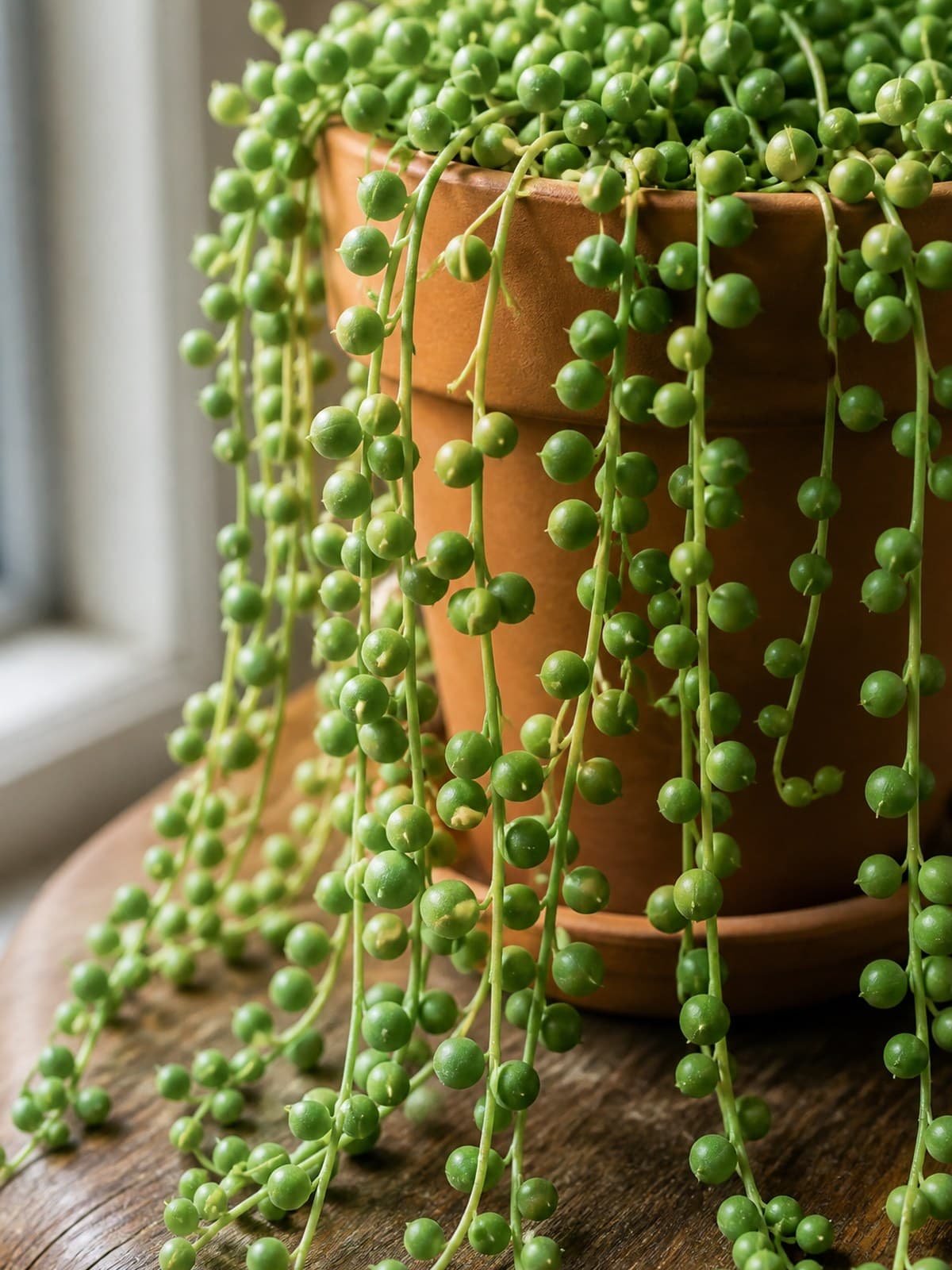
Propagate string of pearls (Curio rowleyanus, also sold as Senecio rowleyanus) from stem cuttings in cactus mix. A leaf on the mix is slower and less reliable.
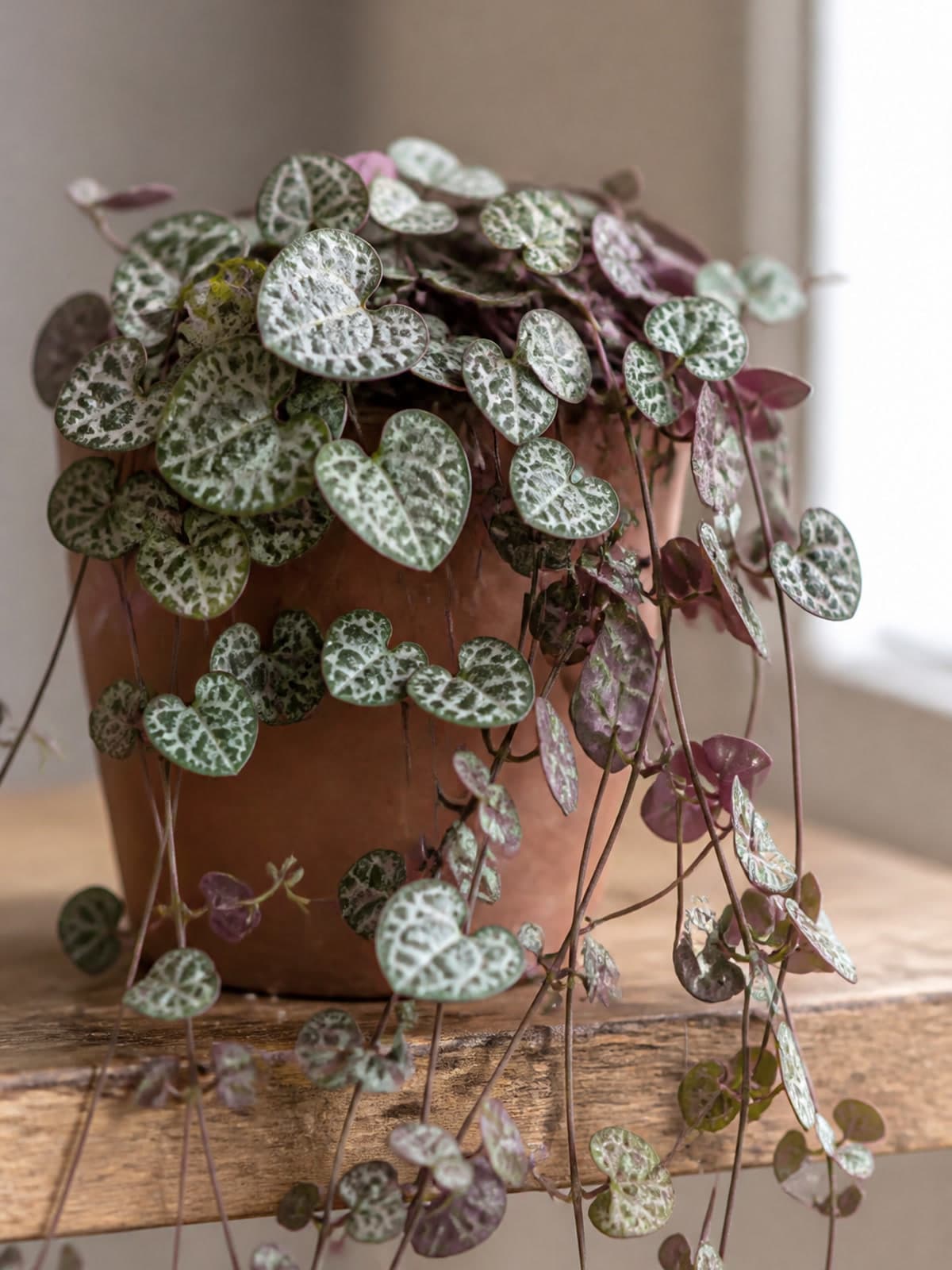
Propagate string of hearts (Ceropegia woodii, rosary vine) by pressing an aerial tuber into a second pot or rooting a vine cutting with bottom heat.
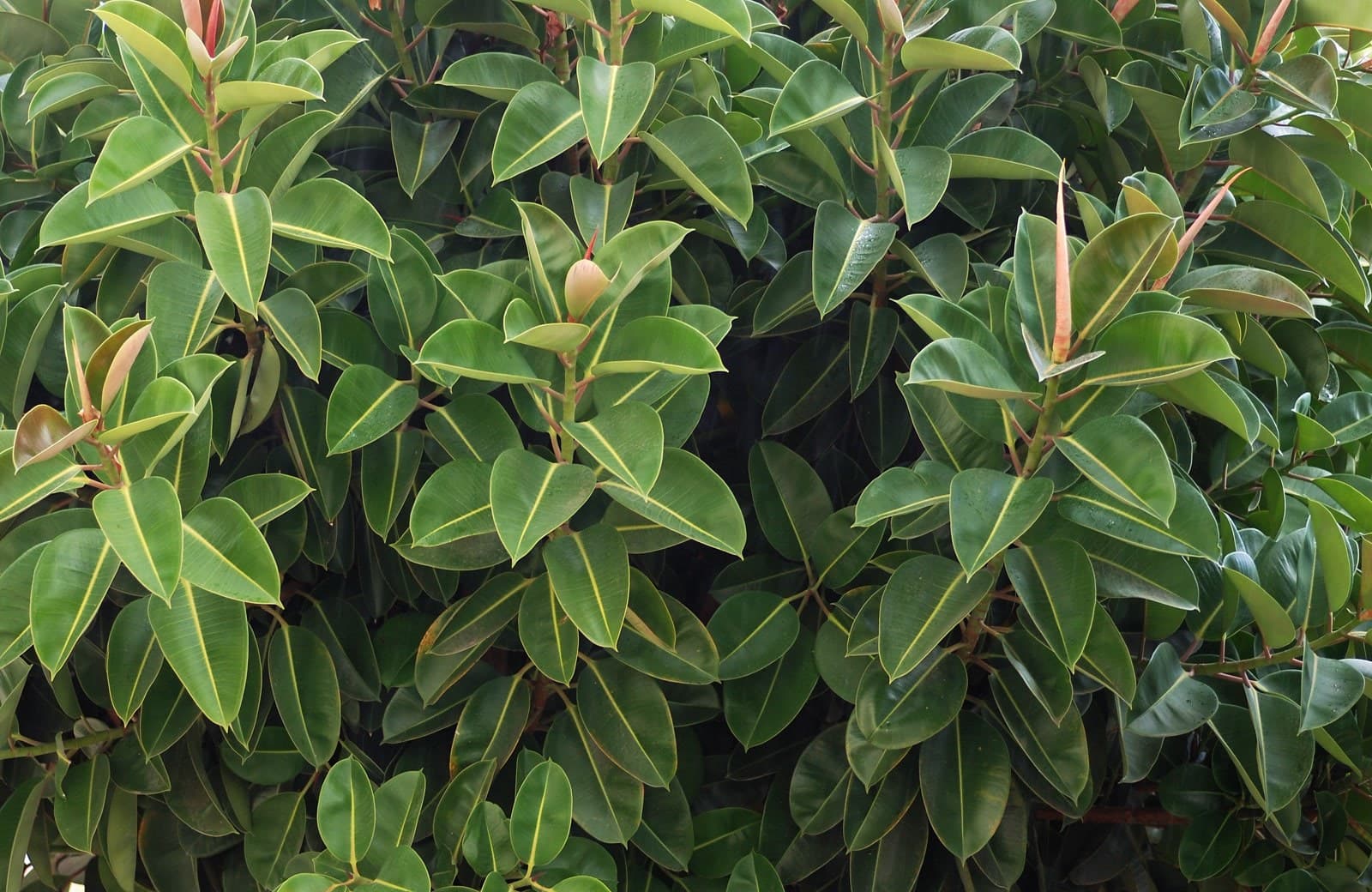
Propagate a rubber plant (Ficus elastica) by air layering on the parent stem, or from stem cuttings left to dry and callus before they go into the mix.
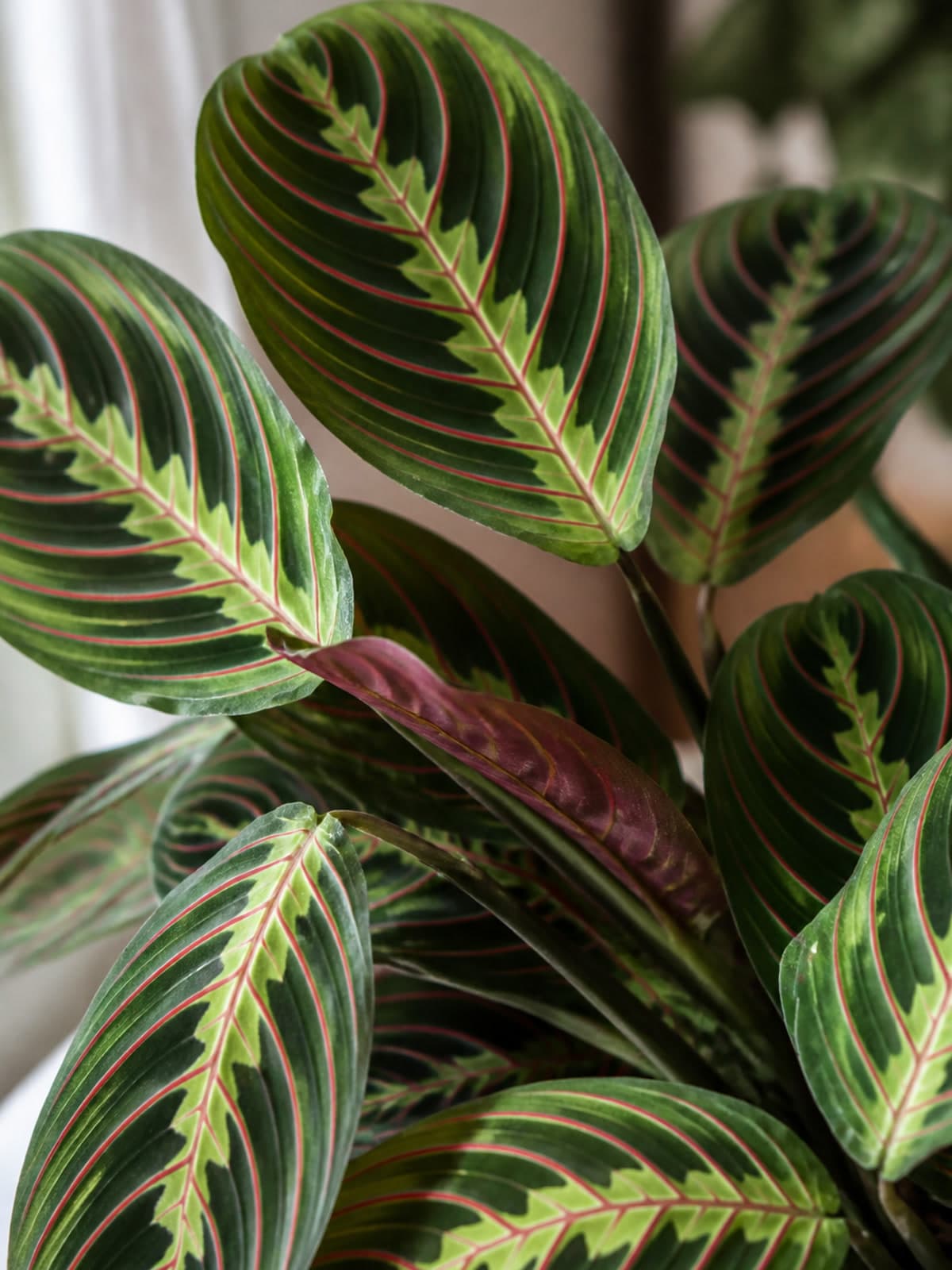
Propagate a prayer plant (Maranta leuconeura) by dividing the rhizomes: unpot the plant, split the root clumps, and repot each piece.
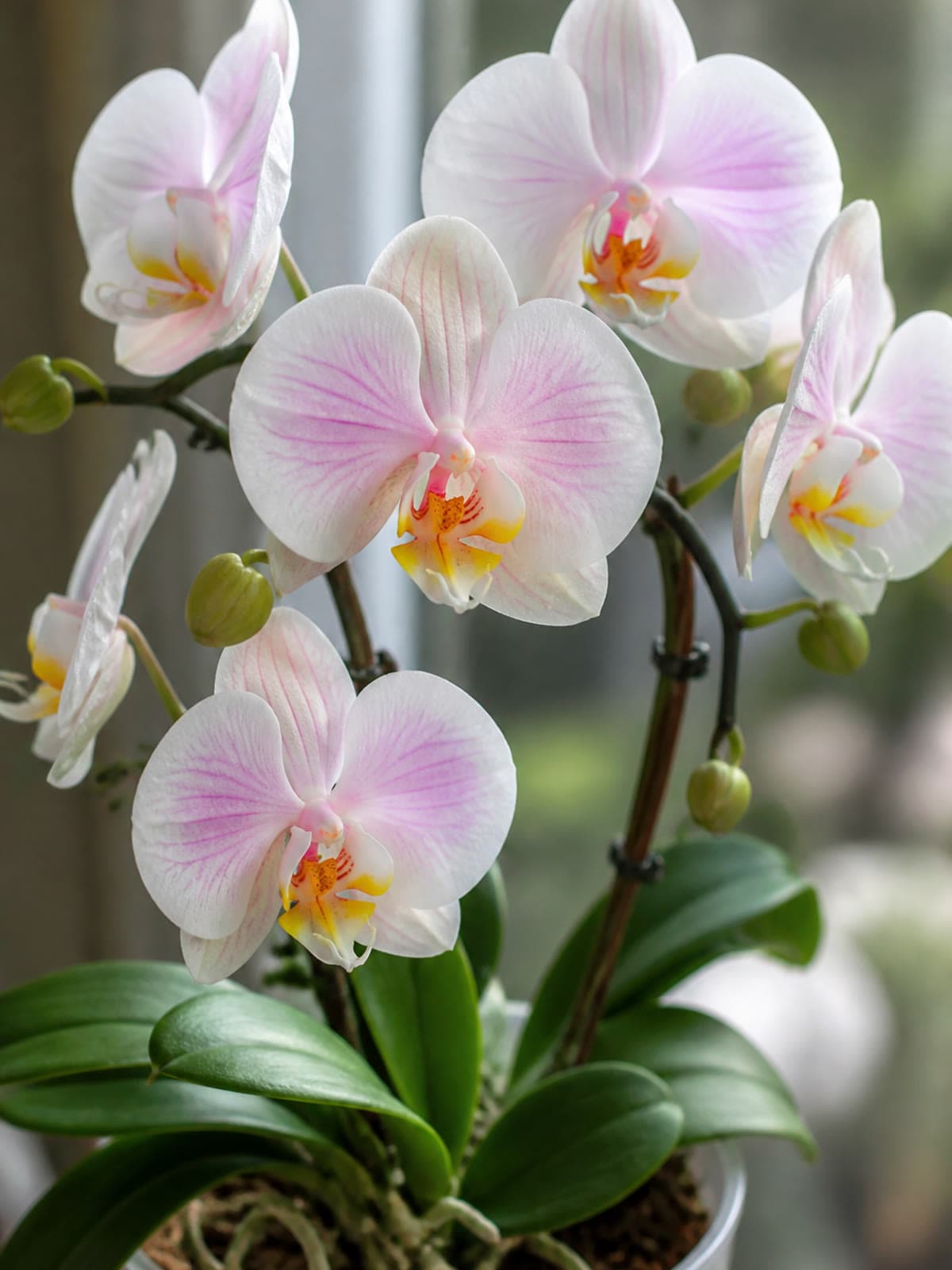
Propagate an orchid by potting a mature keiki (offset) or by dividing plants that make pseudobulbs, including backbulbs on orchids such as Cymbidium.
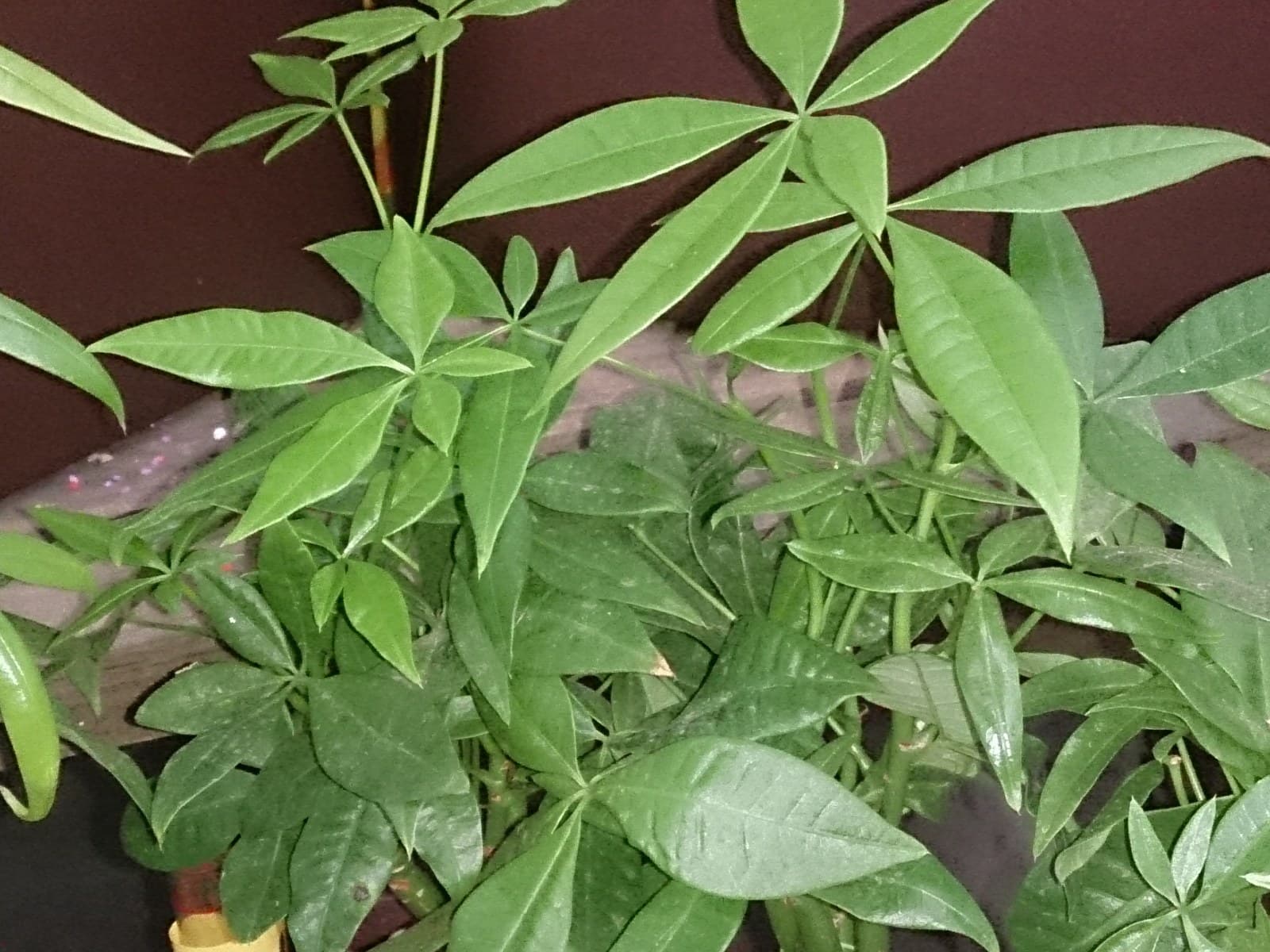
Propagate a money tree (Pachira aquatica, Malabar chestnut) from softwood cuttings, layering, or seed, with mix, light, and troubleshooting for indoor plants.
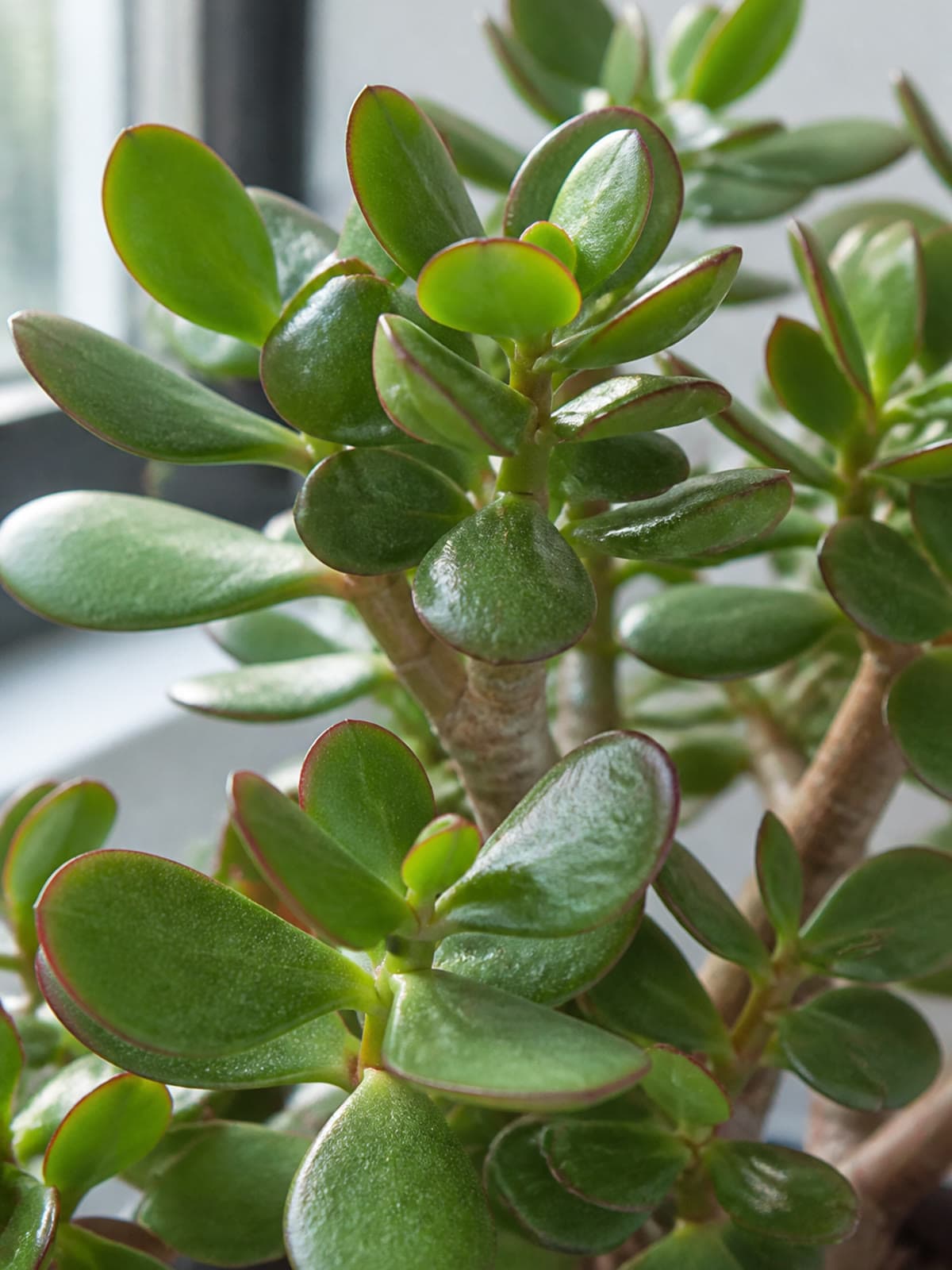
Propagate a jade plant (Crassula ovata) from a stem cutting or a whole leaf. Let the cut end dry for a few days so it heals before it goes into the mix.
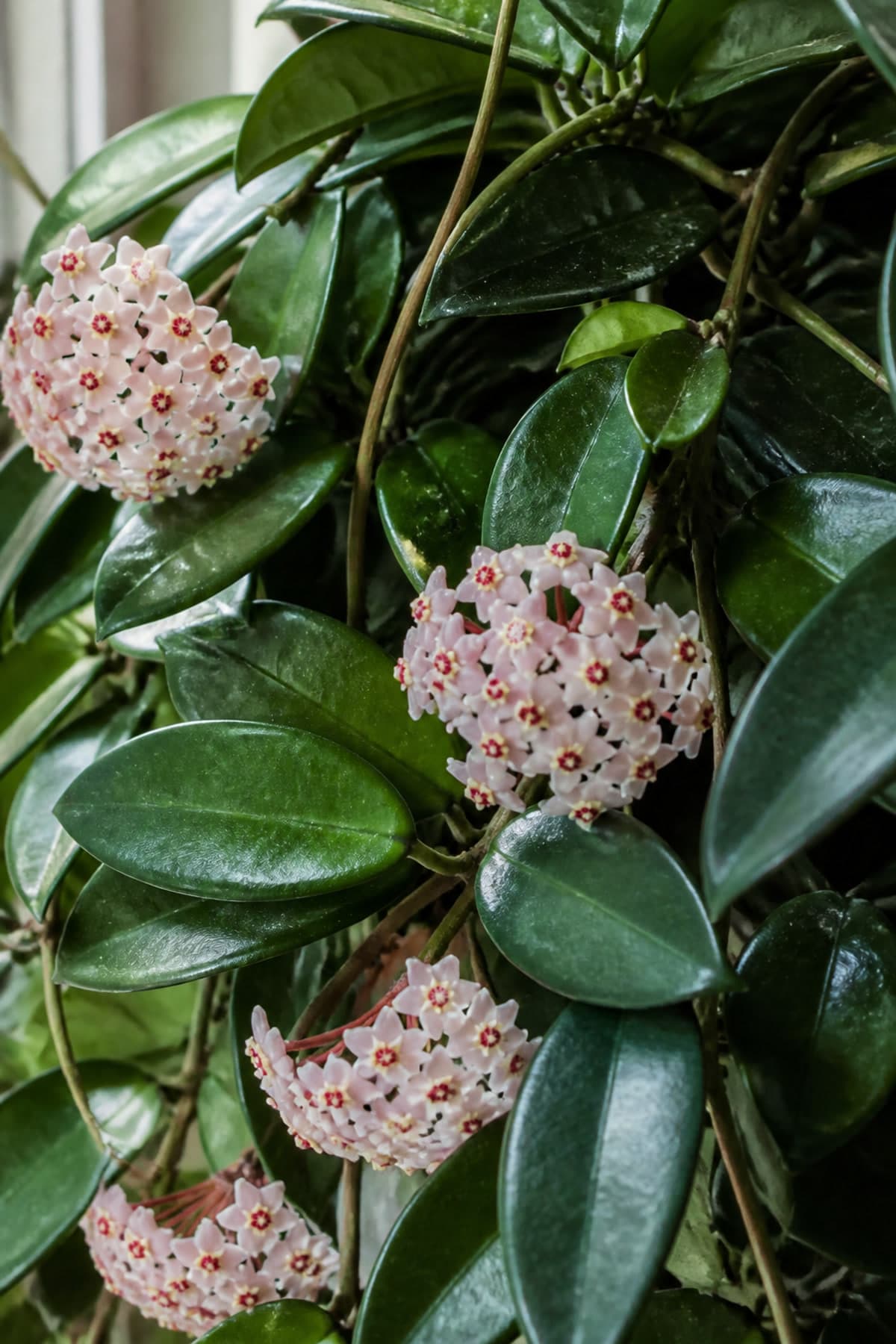
Propagate a hoya (Hoya carnosa, wax plant) from a stem with a node in water, moist sphagnum, or light mix, or layer a leafy vine. A lone leaf may never vine.
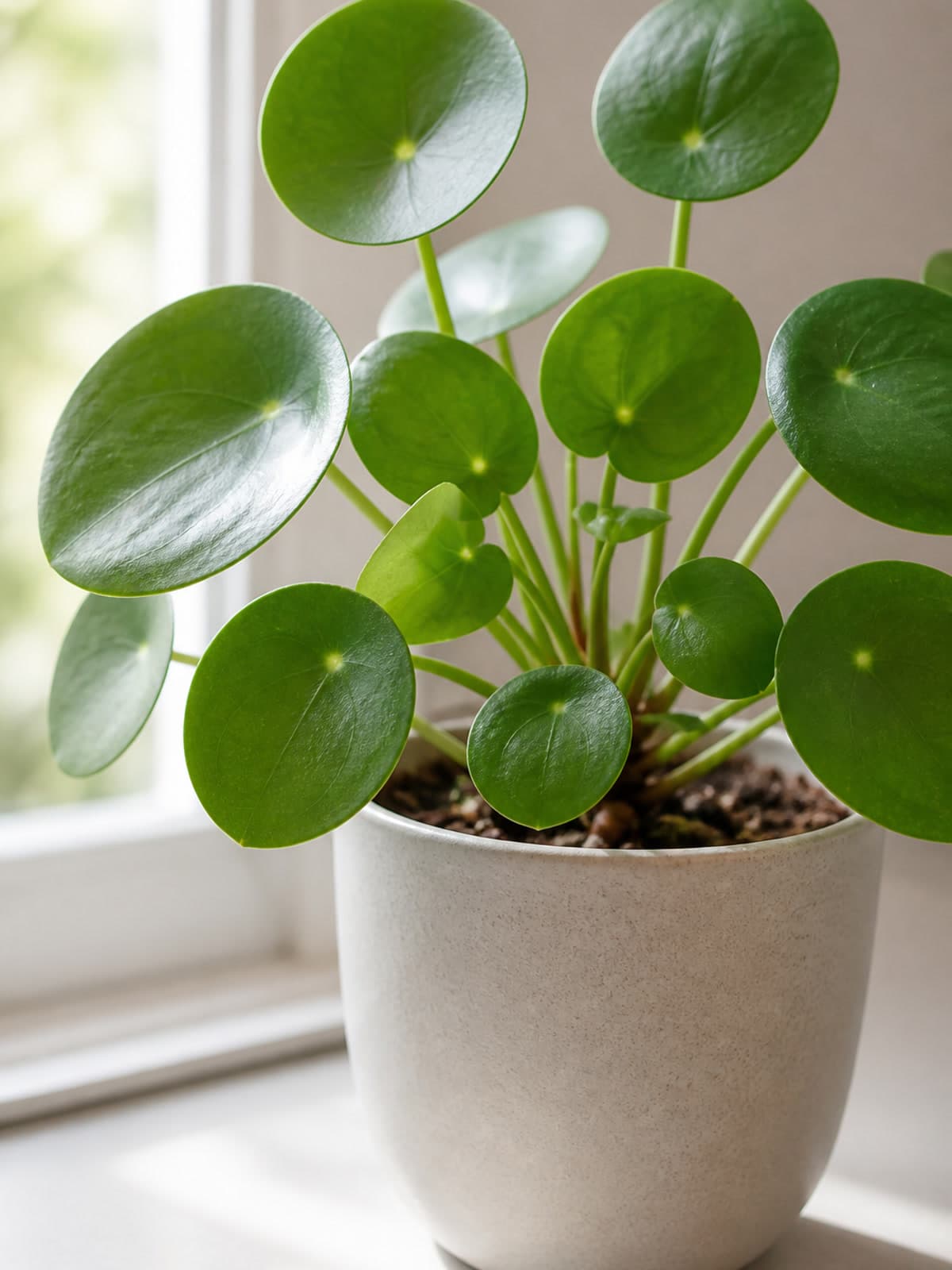
Propagate Chinese money plant (Pilea peperomioides) from soil pups, a stem offshoot in water, or a top cutting. It is not the money tree (Pachira aquatica).
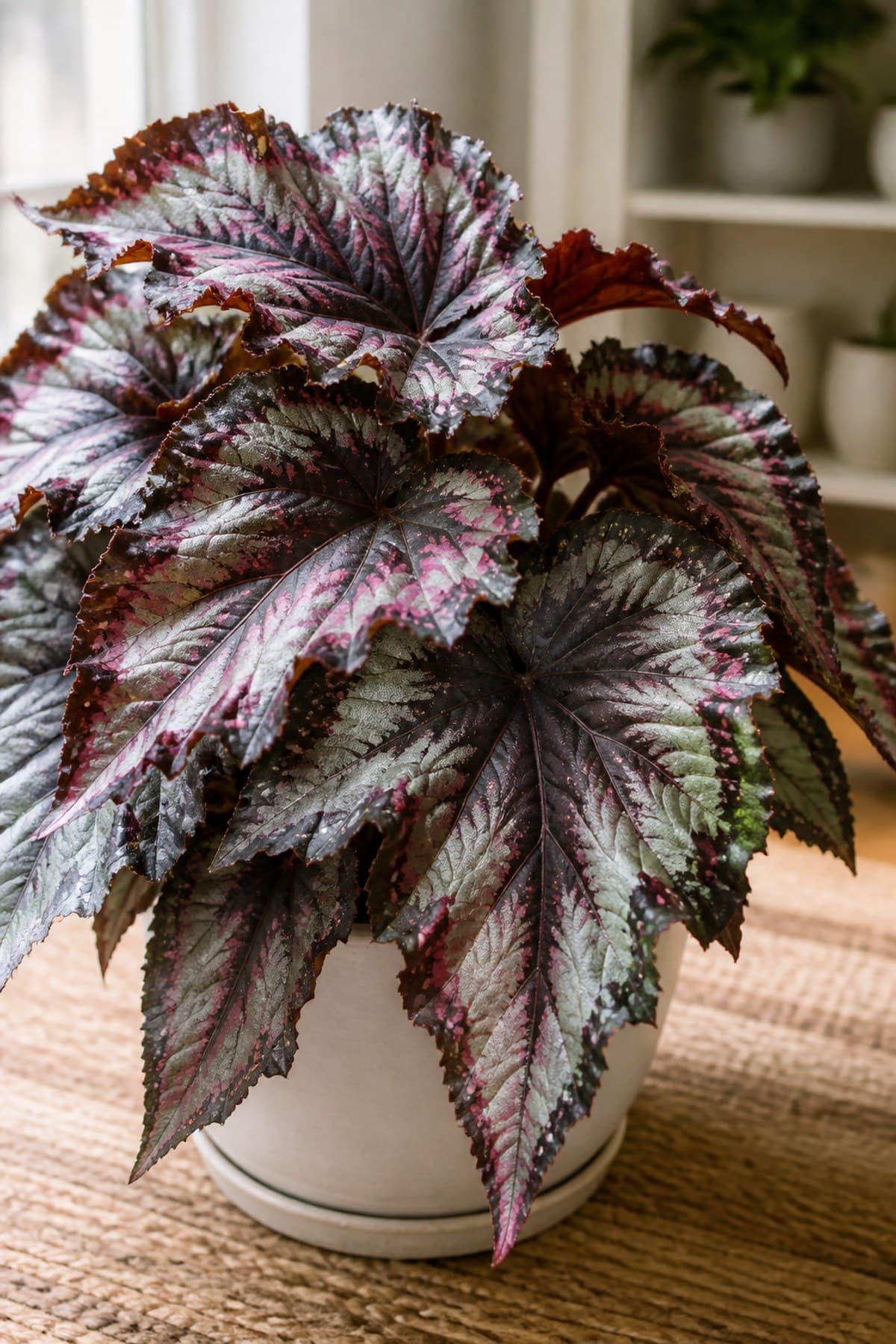
Root begonias from stem cuttings in water or perlite, or from leaves: pie-shaped wedges, a whole leaf with the veins cut, or rex leaf sections.
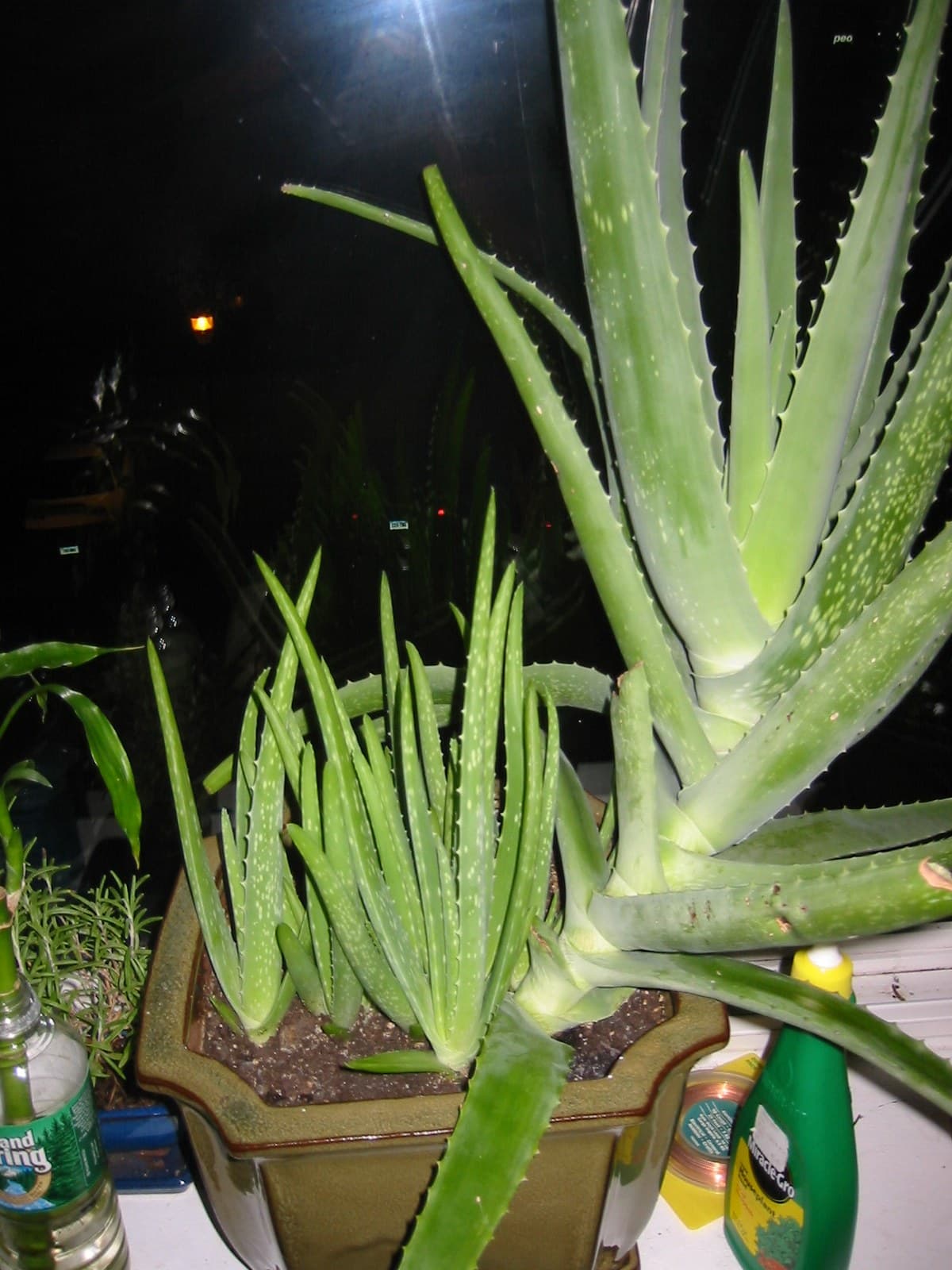
Propagate aloe, including aloe vera, from pups (offsets): when a pup is ready, how to separate it, cactus mix, light watering, bright indirect light, and why leaf cuttings and water jars are not aloe methods.
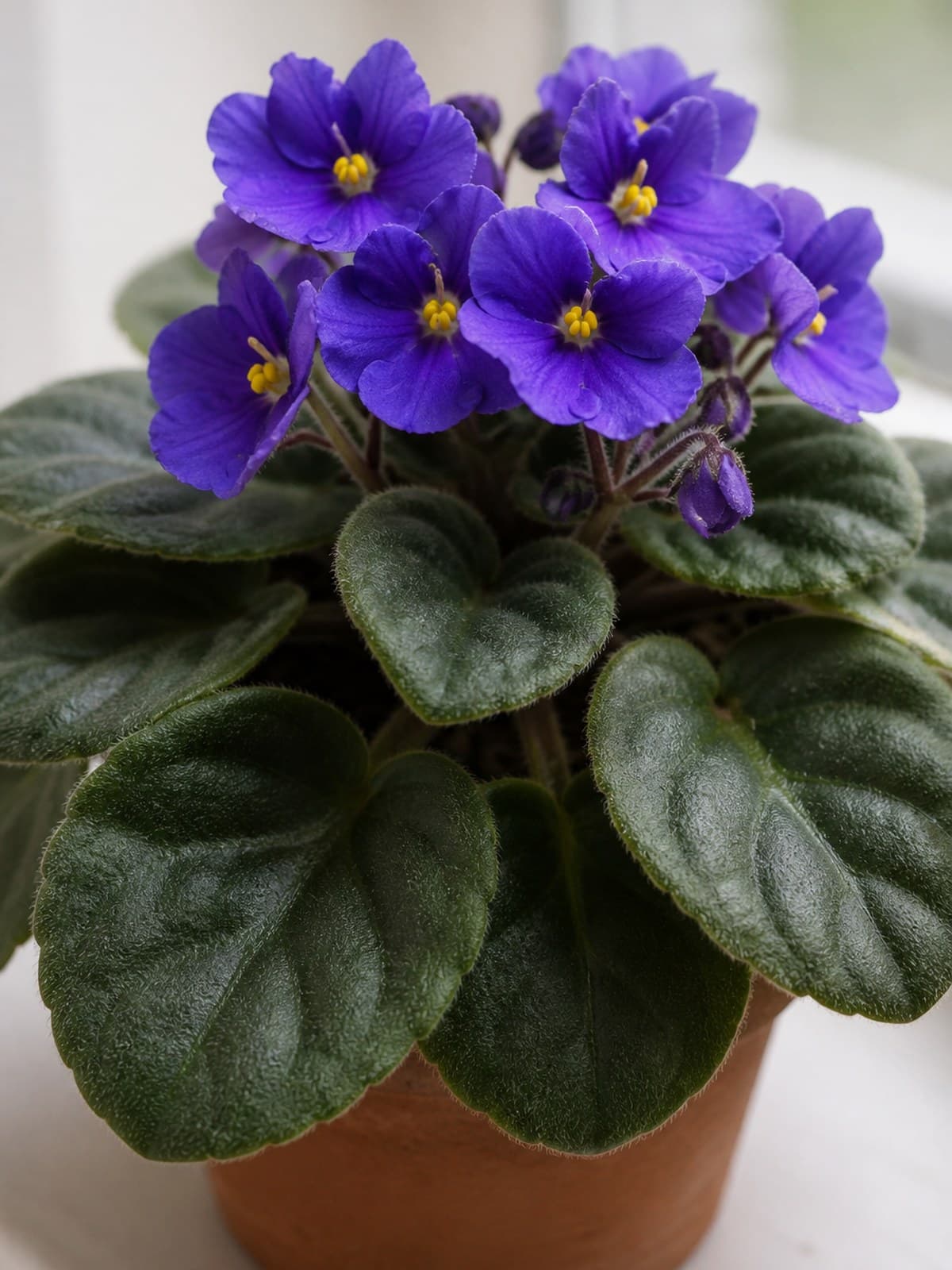
An African violet roots from a single leaf with its petiole, in a moist mix of vermiculite and coarse sand or in room-temperature water. Roots usually form in 3 to 4 weeks, and a large sucker can be divided from the root ball.
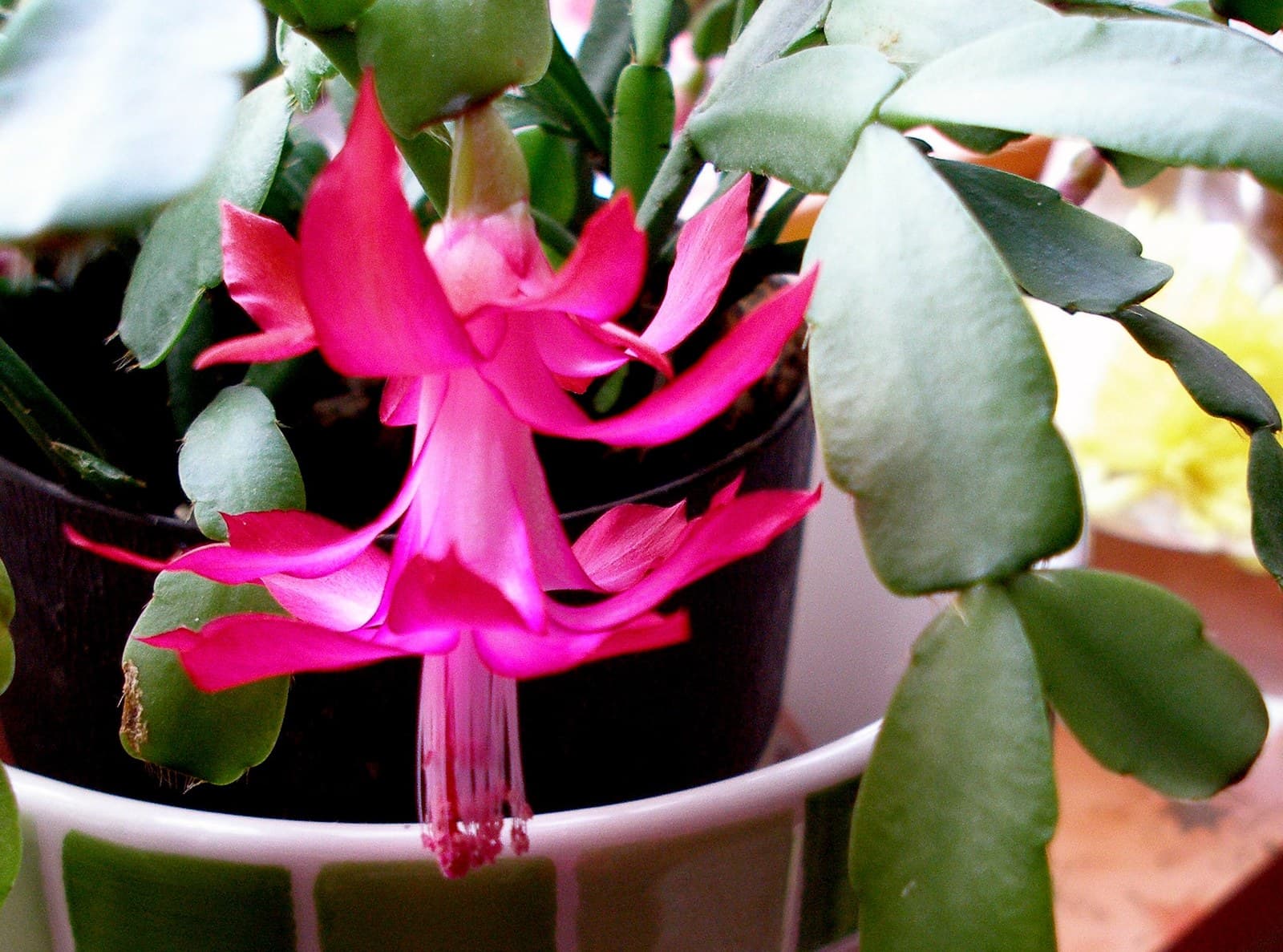
Root Christmas cactus stem segments cut at a joint. Callus them, set them about 1 inch deep in moist perlite, sand, or mix, and pot on at about 1 inch of roots.
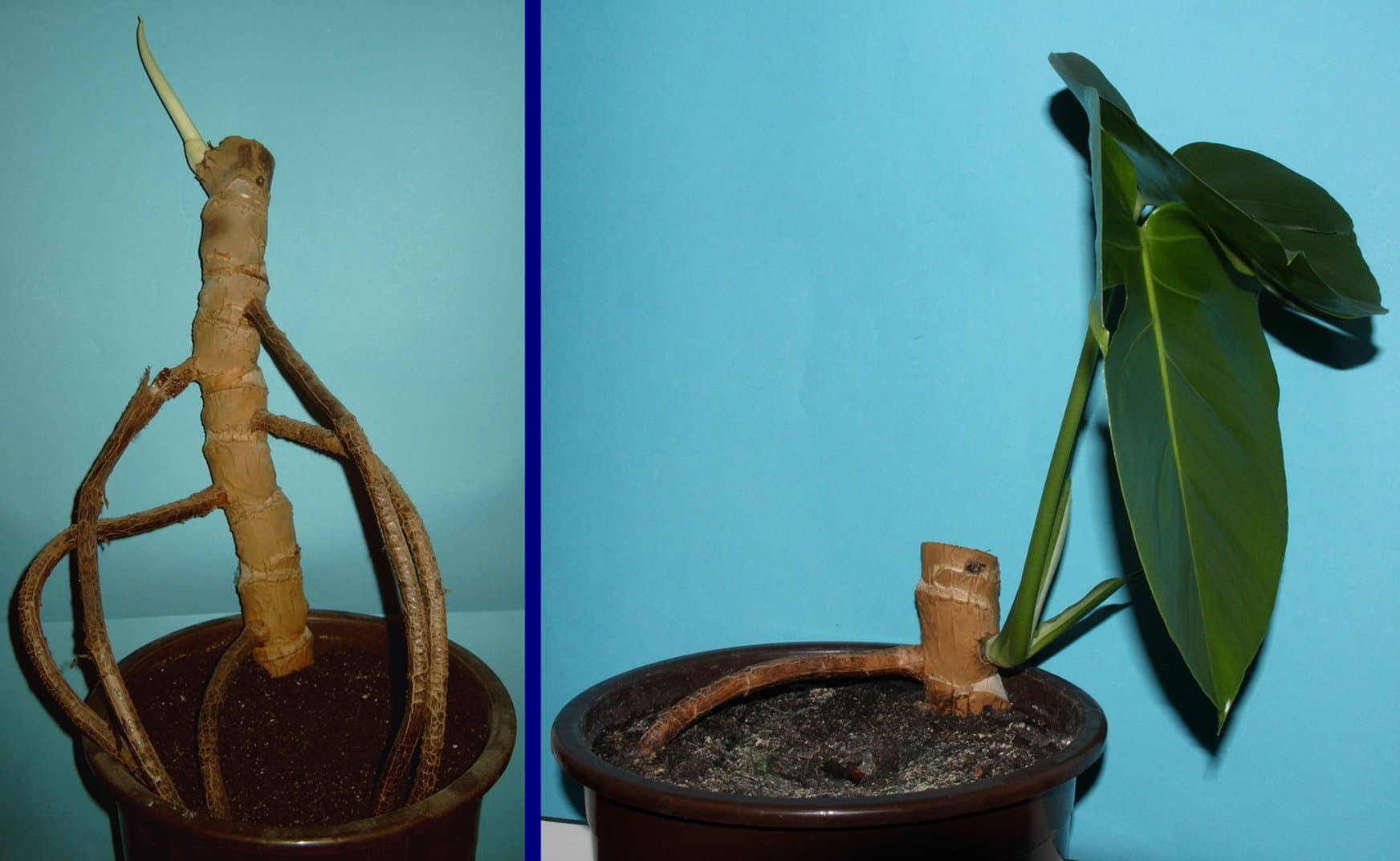
Propagate philodendron from a stem cutting with a node, in water or moist mix. Heartleaf vines and self-heading types both root from stem nodes.
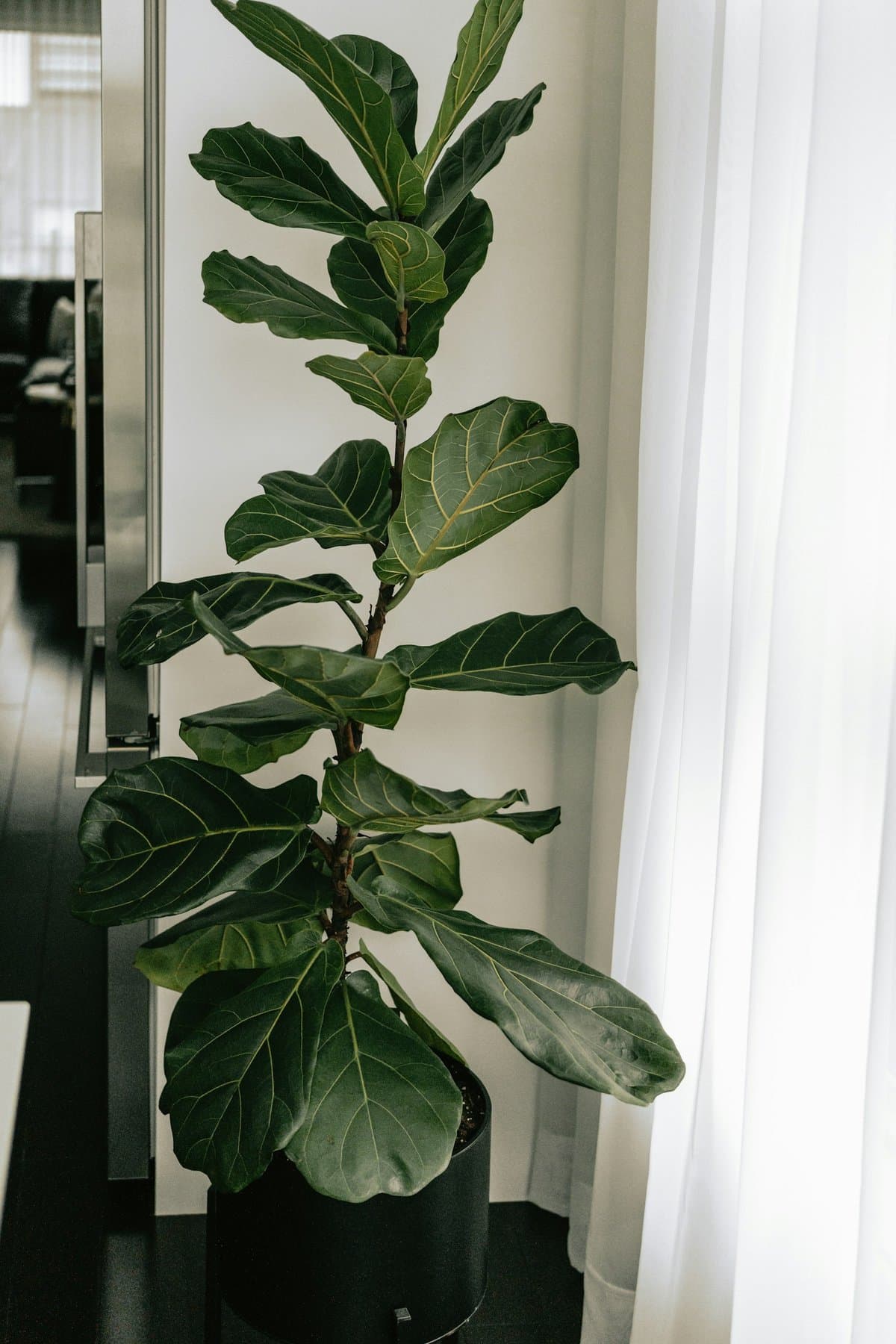
Propagate fiddle leaf fig (Ficus lyrata) from a stem tip that includes a node, or by air layering a tall stem while it stays attached to the plant.
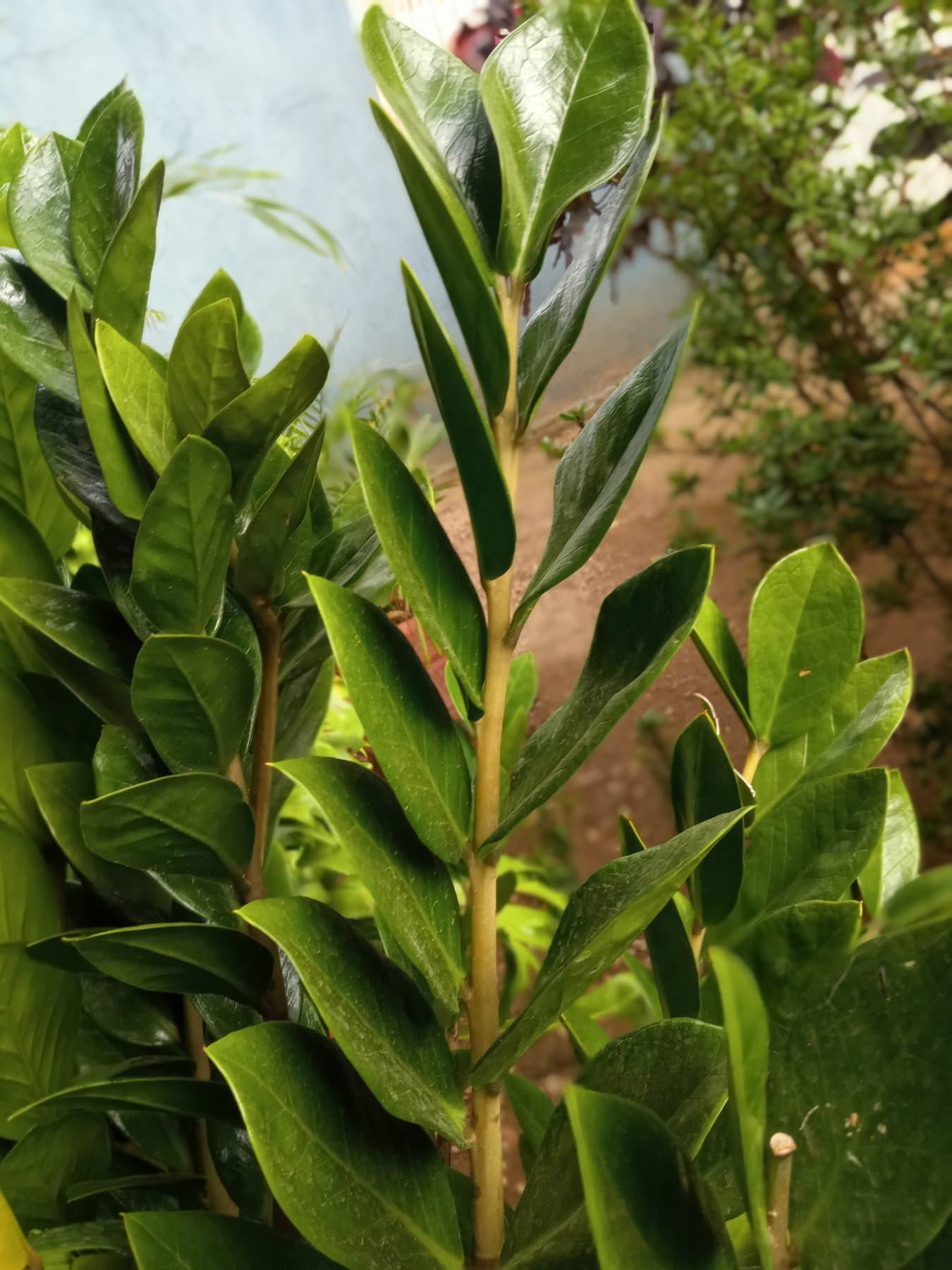
Propagate a ZZ plant (Zamioculcas zamiifolia) by dividing a crowded clump at the rhizomes, or from single leaflets that grow a new rhizome first.
Propagate indoor succulents from leaf cuttings, stem cuttings, or offsets. Let cut edges callous, then pot in a fast-draining mix and water lightly.
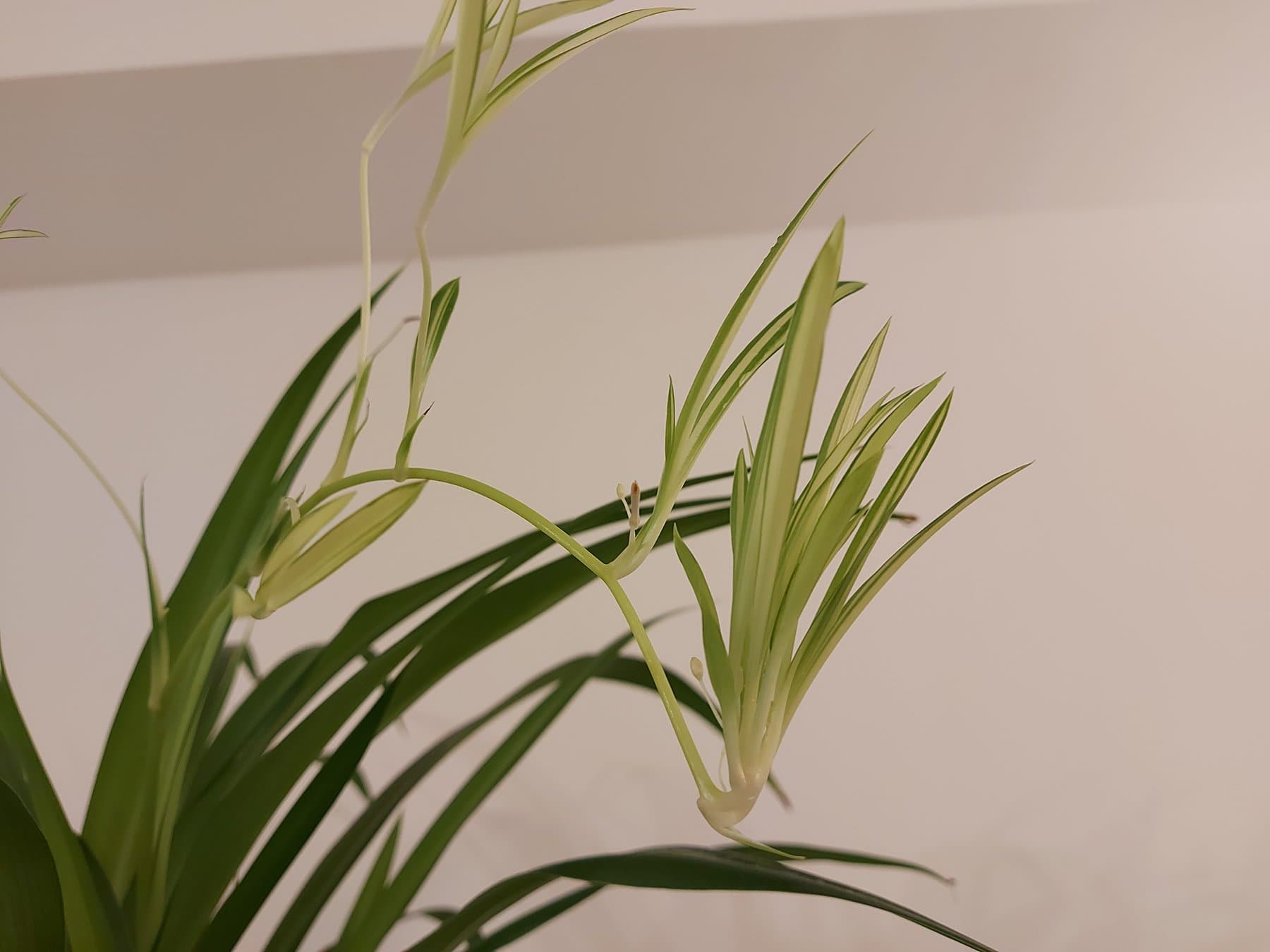
Root spider plant (Chlorophytum comosum) plantlets from runners in water or moist mix, or divide the mother crown into separate rooted pieces.
Propagate Monstera deliciosa from a stem cutting with a node, in water or soil, or by air layering. A leaf alone without a node will not grow.
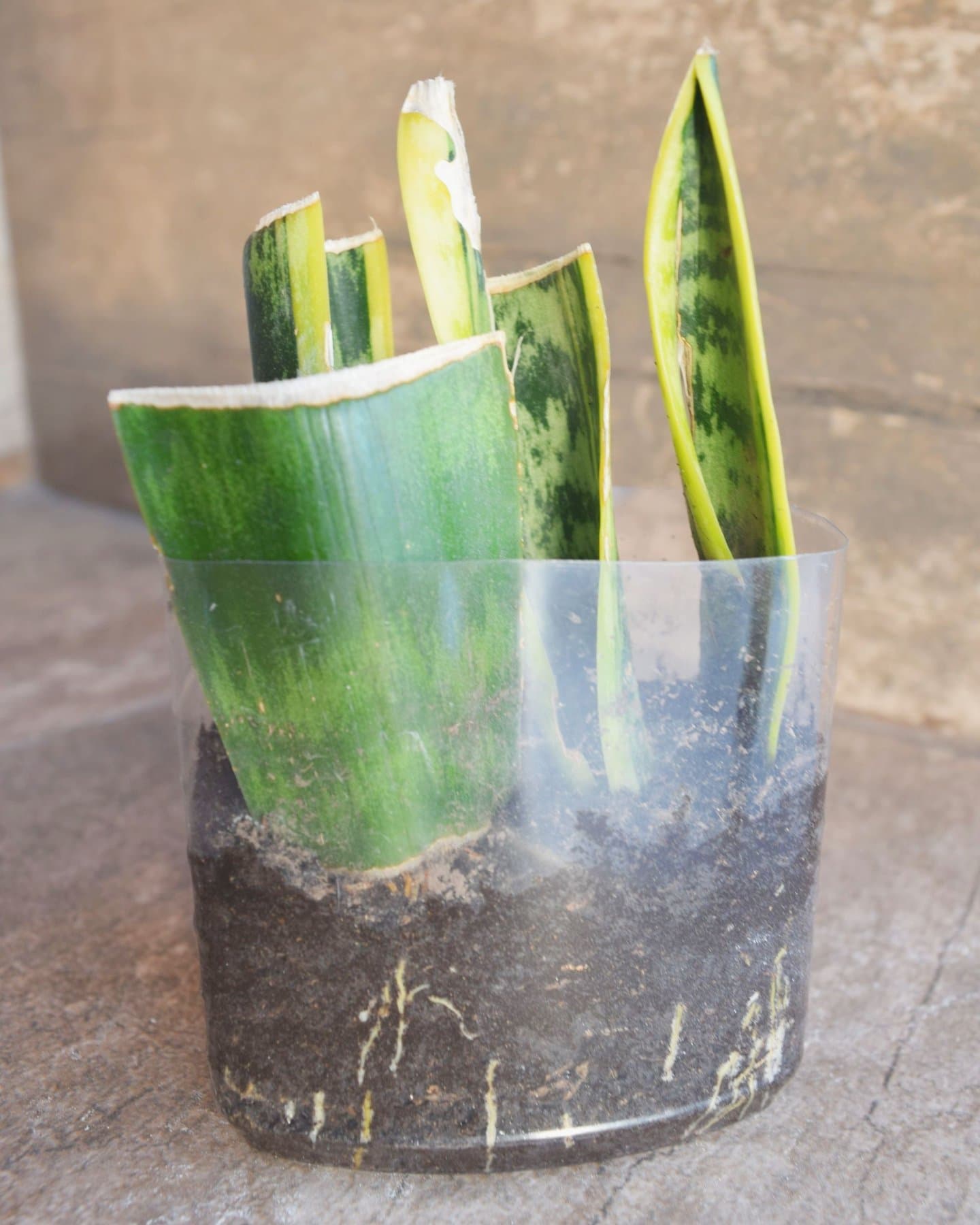
Propagate snake plant (Sansevieria, now Dracaena trifasciata) by rhizome division or leaf sections. Keep the leaf base oriented down in the mix.
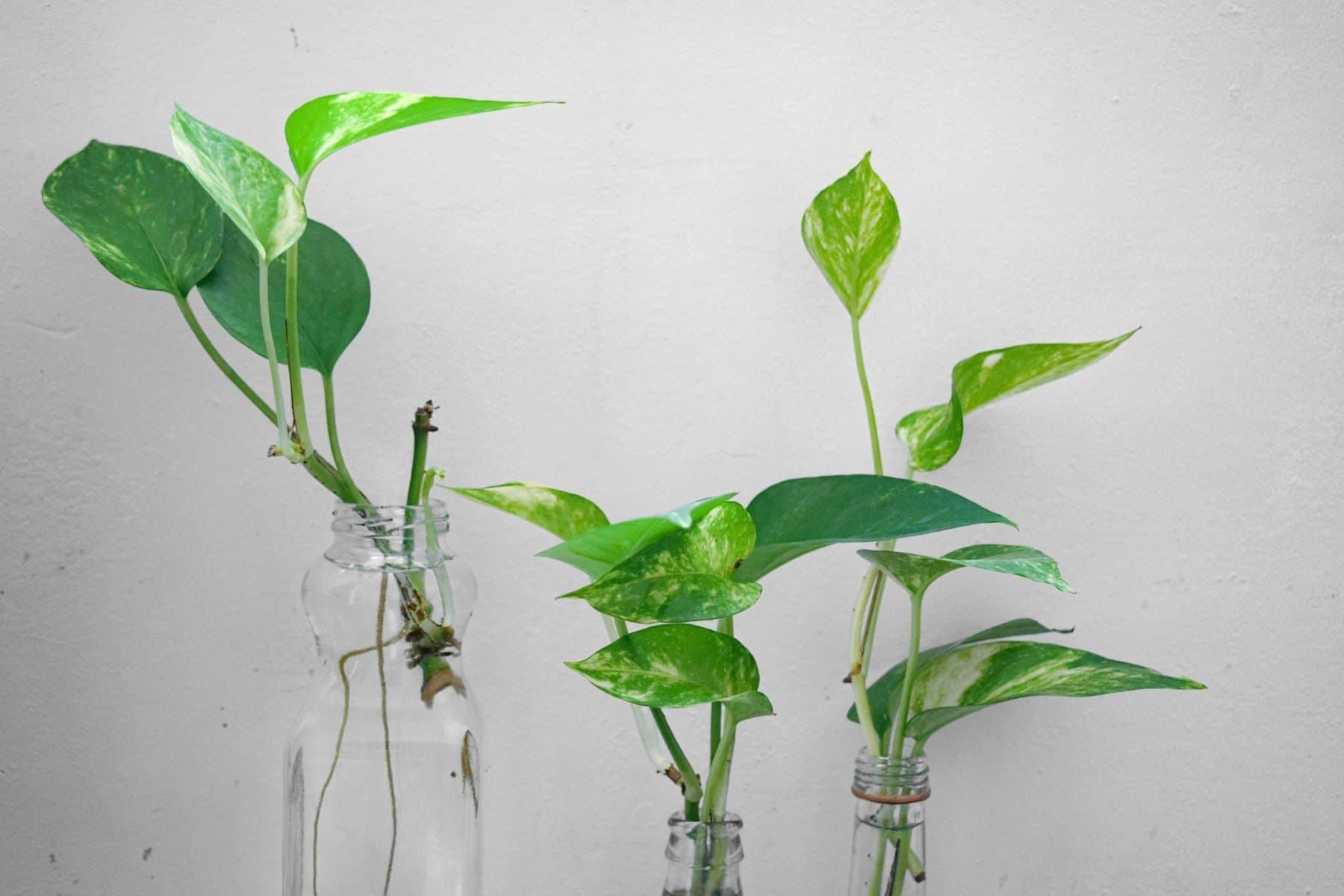
Propagate pothos (Epipremnum aureum, devil’s ivy) from a stem cutting with at least one node in water or moist mix. Change jar water once or twice a week.
Sprout an avocado seed in water with the toothpick method, then pot when roots reach a few inches. Iowa State Extension steps.
Yes for many soft-stem houseplants when a node stays wet and leaves stay dry. Iowa State: change water one to two times each week; never let developing roots dry in air; transplant when roots are about 1 inch long. UMD: clean tap water; change at least twice a week or when cloudy. NCSU Wayne County: pot as soon as some roots develop so water roots do not sit until they rot. Full jar steps: water propagation. Easy first plant: pothos.
There is no single week clock for every houseplant. Iowa State media protocol for many houseplant stem cuttings: roots often in 3 to 6 weeks; pot near about 1 inch of roots or more. Missouri Botanical Garden general water guide: often about 3 to 4 weeks to root for that page; pot when roots are 1 to 2 inches long or longer. UMD: adventitious roots can take several weeks. NCSU Wayne County: time differs greatly among plants; a gentle tug that meets resistance usually means roots have formed in mix. Warmth, bright indirect light, and clean water or lightly moist mix matter more than rushing. Species guides and method guides keep the attributed ranges; tighter week counts from blogs are not used here. Thick canes that struggle as bare cuttings may do better with air layering.
Beginners usually succeed with node cuttings of pothos and philodendron, spiderettes from spider plant, and division or leaf sections of snake plant. Monstera works from a node cutting when the joint is present. Leaf-only pieces fail on vines that need a node. Illinois and Iowa State list many of these under stem cuttings, division, or specialized structures; open the species guide for the exact method.
Optional for most easy houseplant cuttings. Illinois: many houseplants root so easily that hormone is not important; helpful for harder-to-root species. NCSU Wayne County: usually not necessary for houseplants. Iowa State: IBA or NAA products can promote roots; too much can slow rooting; keep powder stock clean. A clean cut, a node in contact with water or moist mix, and steady humidity matter more on soft vines. Hormone shows up more often on stubborn or woody stems, including air layering.
Neither wins for every cutting. Water makes roots easy to see. Soil or soilless mix skips the transplant step; UNL says perlite or vermiculite generally gives more satisfactory results than water; Illinois prefers media because water roots are often weak. Compare both on water propagation and soil propagation, then follow the species page for the plant on the shelf.
Yes. Stick a node into lightly moist drained mix, keep humidity up without cooking the cover in sun, and avoid soggy pots. Water jars are optional demos, not a required first stage. See soil propagation. For thick woody stems that might rot as leafless sticks, root on the mother plant first with air layering.