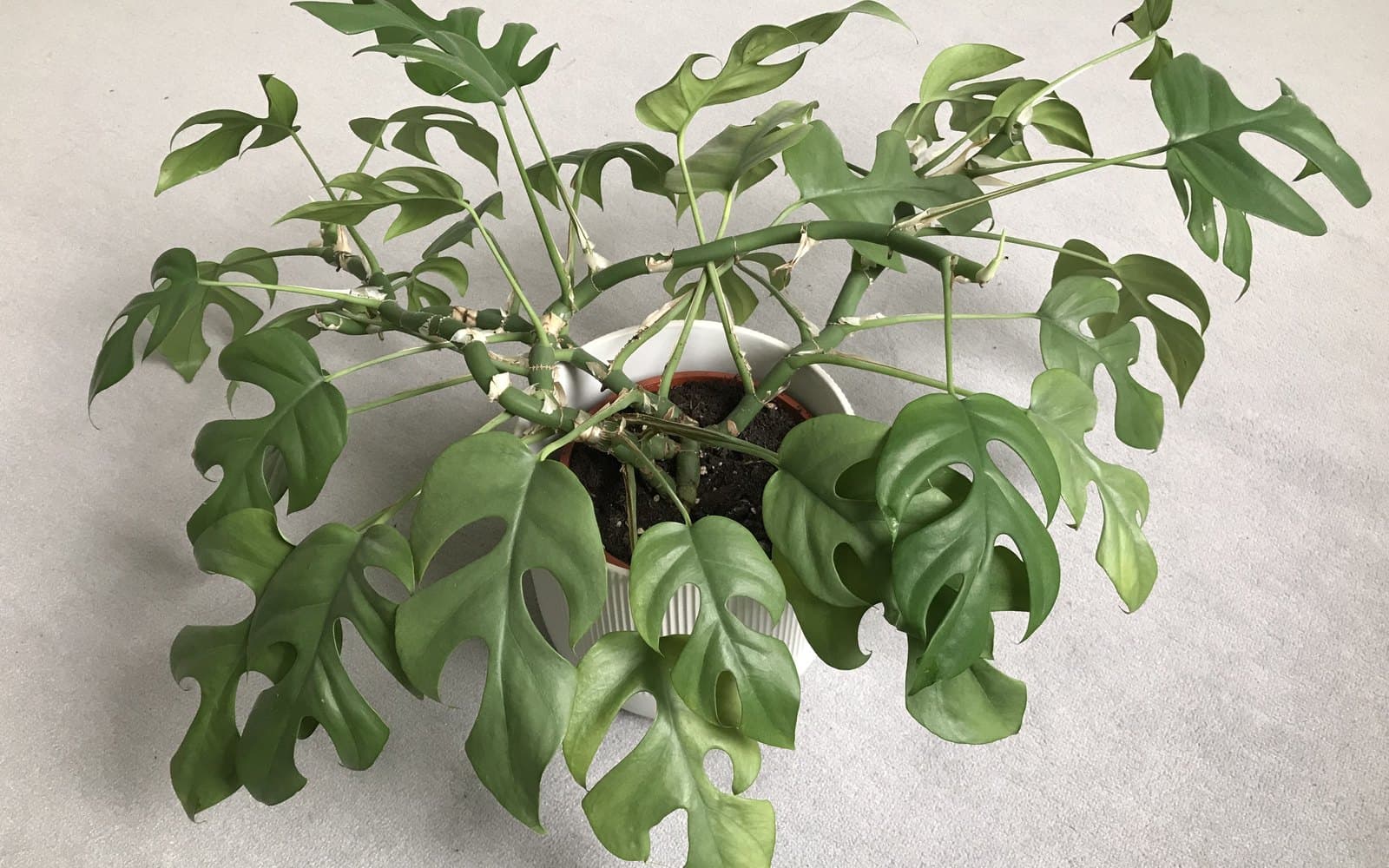
Mini monstera is Rhaphidophora tetrasperma. Labels may say dwarf monstera, Monstera Ginny, Philodendron Ginny, or Philodendron Piccolo. Same URL. Family Araceae. Genus Rhaphidophora, not Monstera and not Philodendron. NCSU: common names Mini Monstera and Philodendron Ginny are confusing; the plant is neither a monstera nor a philodendron, though all share the arum family. The Mini Monstera name stuck because the plant looks like a mini version of Monstera deliciosa, with smaller leaves and fenestrations that appear at an earlier age.
RHS plant profile: Rhaphidophora tetrasperma; synonym Monstera minima misapplied; plant range SE Asia; Name Status Correct. Kew Plants of the World Online: Rhaphidophora tetrasperma Hook.f.; accepted; native Peninsula Thailand to Peninsula Malaysia; climber of the wet tropical biome. Iowa State Extension lists mini monstera (Rhaphidophora tetrasperma) among closely related species next to swiss cheese plant (Monstera deliciosa) and swiss cheese vine (Monstera adansonii). Keep those Monstera pages separate: how to propagate Monstera and how to propagate Monstera adansonii.
NCSU Recommended Propagation Strategy for this species is stem cutting. NCSU narrative: it may be propagated by stem cuttings. Opened RHS tetrasperma profile does not spell out cutting steps. Iowa State’s numbered trailing-philodendron stem recipe sits on a page that also IDs this species as related, so treat those inches and water notes as philodendron/related-group guidance, not a tetrasperma-only measurement.
Indoor climbing or trailing focus. For mix, see soil propagation. Water lives on water propagation.
Stem cuttings
NCSU: Recommended Propagation Strategy is Stem Cutting. Narrative line: may be propagated by stem cuttings. No cutting length, node count, or days-to-root on that species page.
NCSU identity cues that matter for taking cuttings: slender green stems with aerial roots that help the plant climb; dark green ovate or lanceolate leaves to about 6 to 12 inches, some with fenestrations and split tips; height about 2 to 15 feet and width about 1 to 4 feet with support.
Iowa State Growing Philodendrons (lists R. tetrasperma as a closely related species): trailing types of philodendron propagate from stem cuttings; stem sections 3 to 6 inches long with lower leaves removed root in water or rooting media such as perlite or well-drained potting soil. For non-trailing types on that page, sections with at least two nodes; stem sections that contain aerial roots tend to root more reliably; rooting hormone can speed rooting. Those steps are written for philodendron on a related-species page, not as a mini-monstera-only protocol.
Iowa State stem-tip how-to (general houseplant protocol; species list includes Epipremnum, Philodendron hederaceum, and Monstera deliciosa, not R. tetrasperma): cuttings 3 to 6 inches with at least two nodes; stick with at least one node in media and no leaves buried; bright indirect light and high humidity; roots often in 3 to 6 weeks on that general protocol. Do not treat those figures as tetrasperma-specific.
Clemson HGIC Philodendron: plants may be propagated at any season from stem cuttings, or by air layering. That line is for Philodendron. Clemson’s related-plants section names pothos and monsteras, not Rhaphidophora.
Clemson HGIC Pothos (Epipremnum spp.; related Araceae): stem cuttings root in soil or water but should have at least one node. Attribute as Epipremnum guidance, not a mini-monstera recipe.
Water
Opened NCSU and RHS R. tetrasperma pages do not give a water-versus-soil protocol or week counts for this species.
Iowa State Growing Philodendrons: trailing philodendron cuttings may root in water; change water frequently until new roots several inches long form, then pot in regular potting soil. That water line is philodendron guidance on the page that also names mini monstera as related.
Iowa State stem-tip how-to (general): many houseplants root in a jar of water; change water one to two times each week; transplant when roots are about 1 inch long; water-formed roots are coarser. Species list on that page does not include R. tetrasperma.
Clemson pothos: stem cuttings in water need at least one node. Epipremnum-only claim.
Layering and other methods
Clemson Philodendron names air layering alongside stem cuttings for philodendrons. UNL G1853 describes air layering for houseplants such as rubber plant and lists stem cuttings for several philodendrons; the opened table does not name Rhaphidophora or mini monstera.
Wisconsin Horticulture Swiss-Cheese Plant page is Monstera deliciosa only (stem cuttings, air or simple layering, 1-foot vine sections). Keep those deliciosa methods off this page.
Opened NCSU and RHS tetrasperma pages do not detail seed or layering for this species. Do not invent a blog leaf-only recipe; NCSU’s recommended strategy is stem cutting.
Common mistakes
- Treating this page as Monstera deliciosa or Monstera adansonii, or copying how to propagate Monstera and how to propagate Monstera adansonii methods here without saying those plants are different genera.
- Believing trade names Monstera Ginny or Philodendron Ginny mean the plant is a Monstera or a Philodendron; NCSU and RHS keep it in Rhaphidophora.
- Inventing blog week counts for soil or water rooting that opened NCSU and RHS tetrasperma pages do not state.
- Treating Iowa State’s 3 to 6 inch trailing-philodendron or general stem-tip timings as a mini-monstera-only measurement.
- Copying Wisconsin Hort deliciosa 1-foot vine sections or fruit notes onto Rhaphidophora.
- Taking a leaf with no stem node and expecting a full new vine when opened related-aroid pages that discuss nodes (Clemson pothos; Iowa State stem-tip) stress nodes for stem cuttings.
- Overwatering cuttings; NCSU flags root rot and yellowing from overwatering on this species; keep the mix moist but well drained as on the care notes.
People also ask
Is mini monstera a real Monstera?
No. NCSU: Mini Monstera is not a monstera nor a philodendron; it is Rhaphidophora tetrasperma (Araceae). RHS: correct name Rhaphidophora tetrasperma; Monstera minima is a misapplied synonym. Kew: accepted as Rhaphidophora tetrasperma Hook.f. Use how to propagate Monstera for Monstera deliciosa and how to propagate Monstera adansonii for Swiss cheese vine.
What is the main way to propagate mini monstera?
Stem cutting. NCSU Recommended Propagation Strategy: Stem Cutting. NCSU also states it may be propagated by stem cuttings. Opened RHS tetrasperma profile does not add a separate method list.
Can cuttings root in water?
Opened NCSU and RHS species pages do not specify water for R. tetrasperma. Iowa State’s trailing-philodendron page (which also IDs mini monstera as related) supports water for philodendron stem cuttings. Clemson supports water for Epipremnum stem cuttings with a node. Attribute those as related-aroid guidance, not tetrasperma-only week counts.
Do I need a node?
NCSU does not state a node count on the opened species page. Clemson pothos (related Araceae) requires at least one node for stem cuttings in soil or water. Iowa State stem-tip how-to calls for at least two nodes on its general 3 to 6 inch protocol. Use those as attributed related or general guidance, not invent a leaf-blade-only method.